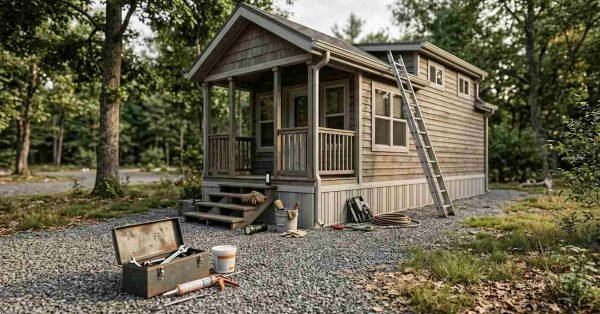
ADU maintenance is the ongoing care of an accessory dwelling unit’s structure, systems, and finishes to keep it safe, efficient, and livable over its full lifespan. I treat an ADU like a small, complete home, because that is exactly what it is. Every system in it ages, and every one of them responds to attention.
Skipping ADU upkeep turns small problems into expensive ones, and in California that often means code issues too. I have watched a $200 fix become a $6,000 rebuild.
This guide walks through what ADU maintenance covers, the core systems and seasonal rhythm behind it, common repairs and their costs, the DIY-versus-pro decision, and the California code, efficiency, and budgeting pieces that keep a unit performing for decades.
What ADU Maintenance Actually Covers
ADU maintenance covers the building envelope, plumbing, electrical, HVAC, interior finishes, and the exterior weatherproofing that protects all of it. I group these into systems because that is how failures actually travel through a small building.
An accessory dwelling unit is a self-contained living space on the same lot as a primary home, with its own kitchen, bathroom, and entrance. That independence is the whole point, and it is also why the unit carries a full maintenance load rather than a partial one.
The work splits into two rhythms. There is routine upkeep, which I schedule, and there is reactive repair, which I respond to. Good routine care shrinks the reactive pile dramatically.
The Difference Between ADU and Main-Home Upkeep
An ADU concentrates every home system into a far smaller footprint, so problems share walls and spread faster than they would in a larger house. A roof leak in a 600-square-foot unit reaches the electrical and the finishes in a hurry.
The compact scale cuts both ways. Fewer square feet means lower material costs and faster inspections, but it also means one neglected system can compromise the whole unit quickly.
Why ADUs Need a Dedicated Maintenance Plan
ADUs need a dedicated maintenance plan because they often run harder than main homes, especially as rentals, and their small size hides early warning signs until damage is advanced. I never fold an ADU into the main house schedule and assume it is covered.
Rental ADUs see heavy, continuous use. Tenants run appliances, plumbing, and HVAC daily, and they rarely report small issues before those issues grow. A dripping valve or a struggling mini-split often goes unmentioned until it fails outright.
Then there is the money side. California’s ADU count has climbed sharply, and these units now represent a meaningful share of new housing, which means they are real financial assets. An asset generating rent deserves a maintenance plan that protects that income.
A written plan does three things well. It spreads cost across the year instead of hitting you with surprise bills, it catches problems while they are cheap, and it keeps documentation that matters for insurance and resale.
Rental-Readiness vs. Family-Use Maintenance
A rental ADU demands more frequent inspections and faster turnaround than a unit housing a family. I inspect rentals between tenancies and at least twice a year, because tenant use is harder on finishes and systems than owner use tends to be.
Family-use ADUs still need structured care, but the pace is gentler. The owner lives with the unit daily and notices changes early, which naturally reduces the inspection burden.
The Core ADU Systems You Have to Maintain
The core ADU systems are the building envelope, plumbing, electrical, and HVAC, and each one carries its own failure pattern and maintenance interval. I inspect these four in every seasonal pass because a lapse in any single one threatens the others.
Here is how the core systems break down, what each one risks, and how often I check it.
| System | Primary Risk | Check Frequency |
| Building envelope | Water intrusion, air leaks | Twice yearly |
| Plumbing | Leaks, low pressure, corrosion | Twice yearly |
| Electrical | Overload, panel capacity | Annually |
| HVAC / mini-split | Filter clogging, refrigerant loss | Quarterly |
The table shows why HVAC gets the most attention and electrical the least frequent. Filters clog on a schedule you can predict, while panels stay stable for years once they are sized correctly.
Roofing, Siding, and the Building Envelope
The building envelope is the roof, siding, windows, and seals that keep water and air out of the ADU, and it is the single most important system to maintain. A compromised envelope lets moisture reach every other system behind it.
I check flashing, caulking, and roof penetrations first, because those are where leaks begin. Small seal failures are cheap to fix and brutal to ignore.
Plumbing and Water Connections
ADU plumbing includes the supply lines, drains, water heater, and the connection back to the main home or street service. Because an ADU often shares or taps the primary home’s water system, I inspect the connection point as carefully as the fixtures.
Slow drips and reduced pressure are the early signals I watch. Catching them early prevents the hidden rot that small leaks cause inside compact walls.
Electrical and Panel Capacity
ADU electrical capacity is the ability of the unit’s panel and wiring to carry its full appliance and HVAC load safely. Undersized panels are a common issue in converted ADUs, and they surface as tripped breakers under normal use.
I confirm the panel rating against the actual load once a year. An overloaded panel is both a performance problem and a genuine safety risk.
Seasonal ADU Maintenance Schedule
A seasonal ADU maintenance schedule assigns specific tasks to each part of the year so nothing critical gets skipped. I run mine on a quarterly rhythm, with heavier passes in spring and fall when California weather shifts most.
Here is the month-by-month rhythm I follow for a typical California ADU.
- Spring: Inspect roof and flashing after winter rain, service HVAC before summer heat, check exterior seals.
- Summer: Clean mini-split filters monthly, inspect plumbing under peak use, check attic and ventilation for heat buildup.
- Fall: Clear gutters and drainage, reseal windows and doors, service heating before cold weather.
- Winter: Monitor for moisture and condensation, check for drafts, confirm drainage handles rainfall.
The list front-loads inspection before each season’s stress rather than after it. Checking the roof before the rains, not after, is what keeps small issues from becoming interior damage.
A Month-by-Month Maintenance Rhythm
The monthly anchor task is the HVAC filter, which I check every single month regardless of season. Everything else layers onto that habit, and the filter check becomes the reminder that triggers the rest.
Consistency beats intensity here. A short monthly walk-through catches far more than one exhaustive annual inspection ever will.
HVAC and Mini-Split Maintenance for ADUs
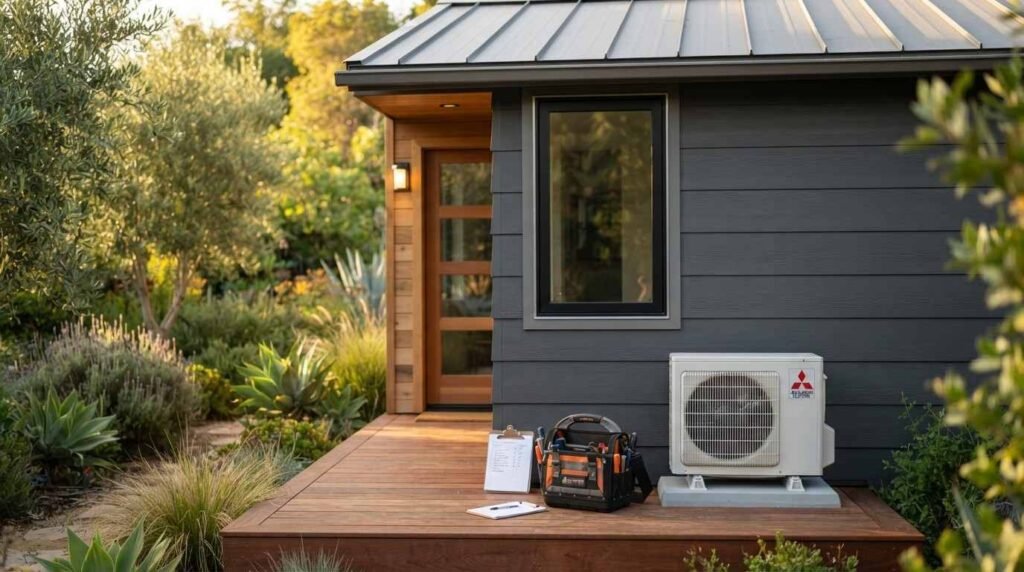
HVAC and mini-split maintenance keeps the ADU’s heating and cooling running efficiently and prevents the most common comfort failures in small units. Most ADUs use ductless mini-split systems, which need regular filter and coil care to maintain their efficiency.
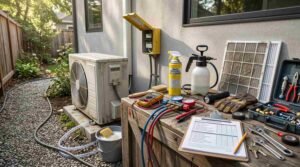
I clean or replace filters monthly and have the system professionally serviced once a year. A clogged mini-split works harder, costs more to run, and fails sooner.
The steps I follow on a mini-split are simple and repeatable.
- Turn off power at the unit.
- Remove and wash the intake filters.
- Wipe the indoor coil and blower surfaces.
- Clear the outdoor condenser of debris.
- Confirm the condensate drain runs clear.
Skipping the condensate drain is a frequent cause of water damage inside the wall behind the indoor head. I check that drain every time.
Moisture, Ventilation, and Mold Prevention
Moisture control and ventilation prevent mold, which is the fastest-spreading and most health-relevant problem in a small, tightly sealed ADU. Compact units trap humidity easily, and mold takes hold where air does not move.
I prioritize exhaust fans in the bathroom and kitchen, because those two rooms generate most of a unit’s moisture. A fan that vents outside, not into the attic, does the real work.
The core mold-prevention steps are short and non-negotiable.
- Run bathroom and kitchen exhaust fans during and after use.
- Keep indoor humidity below 50 percent.
- Fix any leak within days, not weeks.
- Ensure attic and crawl-space ventilation stays clear.
Early moisture control is far cheaper than remediation. Once mold is established in finishes, the repair cost climbs steeply.
Foundation and Structural Checks
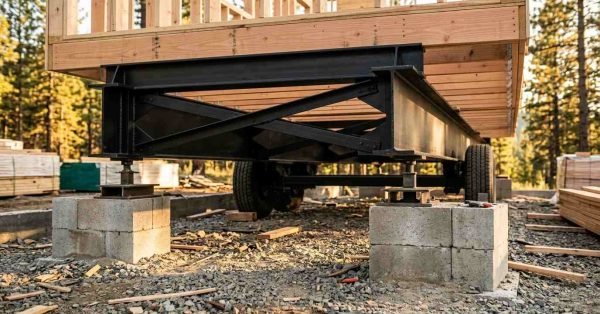
Foundation and structural checks confirm the ADU’s base, framing, and load paths remain sound and free of movement. Many ADUs sit on slab or pier foundations, and both develop telltale signs when something shifts.
I look for new cracks, doors that stick, and uneven floors, since those are the visible symptoms of foundation movement. Hairline cracks are normal, but widening cracks or sudden changes warrant a professional look.
California’s seismic activity makes this check more important than it is in most states. I keep a photo record of any crack so I can track whether it is stable or growing over time.
Exterior and Weatherproofing Maintenance
Exterior and weatherproofing maintenance protects the ADU’s outer surfaces from sun, rain, and temperature swings that degrade materials over time. California’s intense sun is as hard on exteriors as rain is, and both demand attention.
I reseal joints, repaint or refinish siding on schedule, and keep drainage directed away from the foundation. Standing water near the base is one of the most damaging and most preventable exterior problems.
Gutters and grading do quiet, essential work. I keep both clear so rainfall moves away from the structure rather than pooling against it.
Interior Finishes, Fixtures, and Appliances
Interior maintenance covers the flooring, paint, cabinetry, fixtures, and appliances that take daily wear inside the ADU. These are the items a tenant or family member touches constantly, and they show age first.

I service appliances per their schedules, re-caulk wet areas before grout fails, and address wear before it becomes damage. A cracked caulk line around a tub is a small fix that prevents a large subfloor repair.
Finishes also drive perceived value. In a rental, fresh paint and working fixtures protect both the unit and the rent it commands.
Common ADU Repairs and What They Cost
The most common ADU repairs involve plumbing leaks, HVAC servicing, roof and seal fixes, and electrical corrections, with costs ranging from under one hundred to several thousand dollars. I budget by system because repair costs cluster predictably around the units that work hardest.
Here are the typical repair cost ranges I plan around for California ADUs.
| Repair Type | Typical Cost Range |
| Minor plumbing leak | 150–600 |
| HVAC / mini-split service | 150–450 |
| Roof or flashing repair | 400–2,500 |
| Electrical panel correction | 500–3,000 |
| Mold remediation | 1,000–6,000 |
The table makes the case for prevention plainly. The cheapest line, routine servicing, is what keeps you off the most expensive line, remediation.
Repair Cost Ranges by System
The widest cost swings fall on electrical and mold, because both can stay hidden until the damage is extensive. I treat early detection on these two as the highest-value habit in the whole plan.
Plumbing and HVAC repairs stay affordable when caught early. The same leak costs $200 at a drip and thousands once it reaches the framing.
DIY Maintenance vs. Hiring a Professional
DIY maintenance works for routine tasks like filter changes and visual inspections, while professionals should handle electrical, structural, and anything requiring a permit. I draw the line at safety and code, not at difficulty.
Homeowners can confidently handle filter replacement, caulking, gutter clearing, and general inspection. These tasks are low-risk and build the familiarity that helps you spot bigger problems early.
Licensed professionals belong on electrical work, HVAC refrigerant service, foundation assessment, and any repair touching California permit requirements. Hiring a qualified ADU contractor for those jobs protects both your safety and your compliance record.
ADU Maintenance for Rental and Investment Units
Rental ADU maintenance requires more frequent inspection, faster repair response, and careful documentation to protect both the asset and the tenant relationship. I run a rental unit on a tighter schedule than a family unit because the stakes are financial and legal at once.
Between tenancies is when I do the deepest work. An empty unit lets me inspect, repair, and refresh without disrupting anyone.
The priorities for a rental ADU sort cleanly by what protects income and liability.
- Document every inspection and repair for records.
- Respond to tenant-reported issues within days.
- Service high-use systems like HVAC and plumbing on a strict schedule.
- Keep finishes rental-ready between tenancies.
Protecting an investment ADU is really about protecting its uptime. Every day the unit is unrentable because of a deferred repair is lost income.
Energy Efficiency and Long-Term Performance
Energy efficiency maintenance keeps the ADU’s insulation, sealing, windows, and HVAC performing so the unit stays comfortable and cheap to run. Small units gain or lose efficiency fast because every leak is a large share of a small envelope.
ENERGY STAR data shows sealing and insulation improvements can cut heating and cooling costs by a meaningful margin, and that effect is amplified in a compact ADU. I treat air sealing as a maintenance task, not a one-time build step.
Efficiency and durability travel together. A well-sealed, properly ventilated unit runs cheaper and lasts longer, which is the same outcome I am chasing with every other system.
California Codes, Permits, and Repair Compliance
California ADU repair compliance means certain work, especially electrical, structural, and plumbing changes, requires permits and must meet state and local building codes. I confirm permit requirements before starting any repair that goes beyond routine maintenance.
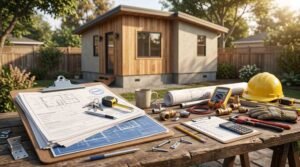
Routine upkeep like painting, filter changes, and fixture swaps needs no permit. Structural, electrical, and major plumbing work almost always does, and skipping that step creates problems at resale and with insurance.
California building codes evolve, particularly around energy and seismic standards. Working with professionals who track current ADU code requirements keeps your repairs both legal and documented.
Building a Long-Term ADU Maintenance Budget
A long-term ADU maintenance budget sets aside money each year so repairs and replacements never arrive as financial shocks. I budget roughly one to two percent of the unit’s value annually for maintenance and reserves.
That reserve covers both the predictable servicing and the eventual big-ticket replacements like a water heater or mini-split. Planning for those on a timeline, rather than in a panic, is what separates a protected asset from a deteriorating one.
Good records make the budget smarter every year. Tracking what you spend by system shows you exactly where your ADU needs attention next.
Conclusion
A well-maintained ADU protects its structure, systems, and value through routine care across the envelope, plumbing, electrical, and HVAC. Each system supports the others, and consistent attention keeps all of them sound.
This guide connects to the wider world of ADU ownership, from construction quality to long-term investment performance, with deeper resources available for each stage.
We help homeowners across California keep their units performing for decades. Talk to Tiny Home Builders California about building or maintaining an ADU built to last.
Frequently Asked Questions
How often should an ADU be inspected?
An ADU should be inspected at least twice a year, with quarterly HVAC checks. Rental units need more frequent inspections, ideally between every tenancy and at seasonal transitions.
What is the most common ADU repair?
Plumbing leaks and HVAC servicing are the most common ADU repairs. Both occur frequently because these systems run daily, and both stay affordable when caught early.
Can I maintain my ADU myself?
You can handle routine tasks like filter changes, caulking, gutter clearing, and inspections yourself. Electrical, structural, and permitted work should go to licensed professionals for safety and code compliance.
Do ADU repairs need a permit in California?
Many ADU repairs in California need permits, especially electrical, structural, and major plumbing work. Routine maintenance like painting and filter changes does not require a permit.
How much should I budget for ADU maintenance annually?
Budget roughly one to two percent of your ADU’s value each year for maintenance. That reserve covers routine servicing plus eventual replacements like water heaters and HVAC units.
How do I prevent mold in a small ADU?
Prevent mold by running exhaust fans, keeping humidity below 50 percent, and fixing leaks fast. Compact ADUs trap moisture easily, so ventilation is your most important defense.
Does ADU maintenance differ for a rental unit?
Yes, rental ADUs need more frequent inspections, faster repair response, and documented records. Tenant use is harder on systems and finishes than owner use, raising the maintenance pace.