
A bathroom remodel permit is a local government approval required before certain plumbing, electrical, or structural work can legally begin, and it exists to confirm the work meets California’s building and safety codes. Most homeowners need one the moment they move a fixture, touch a wall, or add new wiring. I’ve walked enough clients through this question to know it’s rarely as simple as yes or no.
Skipping a required permit risks fines, failed inspections, and stalled home sales later. I’ve seen all three happen to homeowners who assumed a remodel was “too small” to matter.
This guide covers what actually triggers a permit requirement, the California codes that apply, the step-by-step approval process, what permits cost, what happens if you skip one, and how contractors and DIY homeowners handle the paperwork differently.
What Counts as a Bathroom Remodel, Legally Speaking?
A bathroom remodel is legally classified by the scope of work performed, not by how the room looks when it’s finished. Building departments care about what changed behind the walls, not the tile pattern.
Cosmetic Updates vs. Structural Changes
Cosmetic updates replace or refresh existing finishes without altering plumbing, electrical, or structural elements. Structural changes, on the other hand, involve moving walls, relocating plumbing lines, or altering the room’s footprint, and these almost always require a permit.
Why the Scope of Work Determines Permit Requirements
Building departments evaluate permit requirements based on whether work affects life-safety systems: plumbing, electrical, gas lines, and structural support. A simple vanity swap gets treated very differently than relocating a shower drain.
When Do You Need a Permit for a Bathroom Remodel?
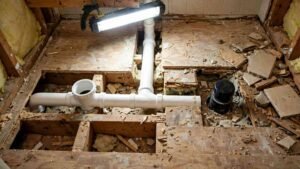
You need a permit any time your remodel touches plumbing, electrical wiring, or load-bearing structure, because these systems directly affect occupant safety. California’s permitting system is built around protecting homeowners from unsafe or non-compliant work, not slowing projects down.
Plumbing Changes That Require Permits
Moving a toilet, sink, or shower to a new location requires a permit because it alters the drain, waste, and vent system. Even upgrading old galvanized pipe to copper or PEX typically triggers a permit if it involves cutting into walls or floors.
Electrical Work That Requires Permits
Adding new outlets, installing a vent fan, or running wiring for heated flooring all require electrical permits in California. GFCI and AFCI protection requirements have also tightened under recent code cycles, which inspectors check during rough-in.
Structural Changes That Require Permits
Removing or relocating a wall, even a non-load-bearing one, typically requires a permit because inspectors need to confirm it isn’t hiding plumbing, wiring, or structural framing. Enlarging a bathroom footprint always falls into this category.
What Bathroom Work Does NOT Require a Permit?

Purely cosmetic work that doesn’t touch plumbing, electrical, or structural systems generally does not require a permit in most California jurisdictions. This is the exemption homeowners rely on most often, and it covers more than people expect.
Common Cosmetic Updates That Are Exempt
Repainting, replacing a mirror, swapping out a showerhead, or installing a new toilet seat typically falls outside permit requirements. Retiling a floor or wall in the exact same footprint, without touching plumbing underneath, is often exempt too, though local jurisdictions vary on this point.
California Building Codes That Apply to Bathroom Remodels
The California Residential Code (CRC) governs bathroom remodel standards statewide, covering everything from ventilation requirements to minimum clearances around fixtures. Every city and county in California adopts this code as its baseline, then layers on local amendments.
California Residential Code (CRC) Basics
The CRC sets minimum requirements for bathroom ventilation, electrical safety, plumbing fixture clearances, and waterproofing in wet areas. California’s Building Standards Commission updates this code on a three-year cycle, so requirements shift over time.
Local Jurisdiction Variations Across California
Local jurisdiction variations mean the same remodel can face different permit requirements depending on the city or county where the home sits. Coastal cities, for example, often add stricter moisture and ventilation requirements than inland jurisdictions.
How to Find Out If Your Project Needs a Permit
The fastest way to find out if your project needs a permit is to contact your local building department directly and describe the scope of work. Most California cities now offer online permit lookup tools that cut this step down to minutes.
Contacting Your Local Building Department
Calling or visiting your local building department lets you describe your project and get a direct answer on permit requirements before you start demolition. I always recommend doing this before signing a contractor agreement, not after.
The Bathroom Remodel Permit Process, Step by Step
The bathroom remodel permit process in California generally follows four stages: application submission, plan review, permit issuance, and scheduled inspections. Each stage has its own timeline and requirements depending on project complexity.
Submitting Plans and Permit Applications
Submitting a permit application usually requires a basic site plan, a description of the work, and sometimes a licensed contractor’s information. Simple bathroom remodels rarely need an architect-stamped plan, but structural changes often do.
Permit Review and Approval Timelines
Permit review timelines in California typically range from a few days for simple projects to several weeks for anything involving structural or major plumbing changes. Smaller cities often move faster than high-volume metro departments.
Required Inspections During Construction
Inspections happen at specific construction milestones: rough plumbing, rough electrical, and a final inspection once everything is finished. Skipping a scheduled inspection is one of the most common reasons permits get flagged later.
How Much Does a Bathroom Remodel Permit Cost in California?
Bathroom remodel permits in California typically cost $150 to $500 for straightforward projects, though complex remodels involving structural work can run higher. Permit fees are set locally, so the same scope of work can cost noticeably different amounts in two neighboring cities.
Factors That Influence Permit Fees
Permit fees scale with project valuation, the number of trades involved (plumbing, electrical, structural), and whether plan review requires additional engineering sign-off. Larger remodels with multiple permit types almost always cost more than a single-trade permit.
What Happens If You Remodel Without a Permit?

Remodeling without a required permit exposes homeowners to fines, forced demolition of completed work, and complications during future home sales. California building departments can issue stop-work orders the moment unpermitted work is discovered.
Fines and Legal Risks
Fines for unpermitted work vary by jurisdiction but can include daily penalties until the work is either permitted retroactively or removed. In some cases, homeowners end up paying double the original permit fee as a penalty.
Problems When Selling an Unpermitted Home
Unpermitted bathroom work often surfaces during a home sale, when buyers’ inspectors or appraisers flag the discrepancy between permitted records and the home’s actual condition. This can delay closing or force last-minute repairs and retroactive permitting.
Permits and Insurance: What Homeowners Should Know
Homeowners insurance claims tied to unpermitted work are frequently denied or reduced, because insurers consider unpermitted modifications a compliance risk. A burst pipe behind an unpermitted wall, for example, can turn a simple claim into a denied one.
Hiring a Contractor vs. DIY: Who Pulls the Permit?
A licensed contractor typically pulls the permit on behalf of the homeowner, since most California jurisdictions require the permit holder to carry a valid contractor’s license for work above a certain value threshold. Homeowners doing their own work can usually pull owner-builder permits instead.
Licensed Contractor Responsibilities
A licensed contractor’s responsibilities include ensuring the work passes inspection, carrying required insurance, and coordinating directly with the building department throughout the project. This is part of why vetting contractor credentials matters before signing anything.
How Long Does the Permit Process Take?
The full bathroom remodel permit process, from application to final inspection sign-off, generally takes two to eight weeks depending on project complexity and local department workload. Simple cosmetic-adjacent permits move faster than structural ones.
Permit Requirements for ADU and Tiny Home Bathroom Remodels

ADU and tiny home bathroom remodels generally follow the same core permit triggers as standard homes, but small-footprint construction often faces additional review tied to minimum room dimensions and fixture clearances. California’s statewide ADU streamlining laws have shortened some review timelines, though plumbing and electrical permits still apply.
Special Considerations for Small-Footprint Construction
Small-footprint construction must still meet minimum clearance and ventilation standards even when square footage is limited, which sometimes requires creative fixture placement to pass inspection. This is a detail I see trip up first-time tiny home owners more than almost anything else.
Energy and Water Efficiency Requirements (CALGreen)

California’s CALGreen code requires water-efficient fixtures and, in many cases, mechanical ventilation in any permitted bathroom remodel. CALGreen’s mandatory measures apply statewide regardless of city, covering everything from low-flow toilets to exhaust fan requirements.
Questions to Ask Your Contractor About Permits
Asking who pulls the permit, what the estimated timeline looks like, and whether the quoted price includes permit fees prevents confusion before work begins. A contractor who hesitates on these questions is worth a second look.
Conclusion
Permit requirements come down to scope: plumbing, electrical, and structural changes almost always need one, while cosmetic updates usually don’t. Every California jurisdiction enforces the state code locally, so costs and timelines vary even for similar projects. We encourage homeowners to confirm permit requirements before work begins, and our team at Tiny Home Builders California handles that process for every remodel we take on.
Frequently Asked Questions
Do I need a permit to replace a toilet or sink?
Replacing a toilet or sink in the same location usually does not require a permit. A permit becomes necessary only if you relocate the fixture or alter the plumbing lines behind it.
Do I need a permit to retile a bathroom?
Retiling in the same footprint without touching plumbing typically doesn’t require a permit. Waterproofing changes in wet areas can sometimes trigger local requirements, so it’s worth a quick check with your building department.
Can I get in trouble for remodeling without a permit in California?
Yes, unpermitted work can result in fines, stop-work orders, and forced removal of completed work. It can also complicate insurance claims and future home sales.
How much does a bathroom permit cost in California?
Most bathroom remodel permits cost between $150 and $500 for standard projects. Costs rise with structural work, multiple trade permits, or additional plan review requirements.
Does moving plumbing always require a permit?
Yes, relocating a toilet, sink, or shower drain always requires a permit in California. This applies even if the rest of the remodel is purely cosmetic.
How long does it take to get a bathroom remodel permit approved?
Approval timelines typically range from a few days to several weeks. Complexity, local department workload, and whether structural review is needed all affect the timeline.
Who is responsible for pulling the permit, me or my contractor?
A licensed contractor usually pulls the permit on larger projects. Homeowners doing their own work can often apply for an owner-builder permit instead.