
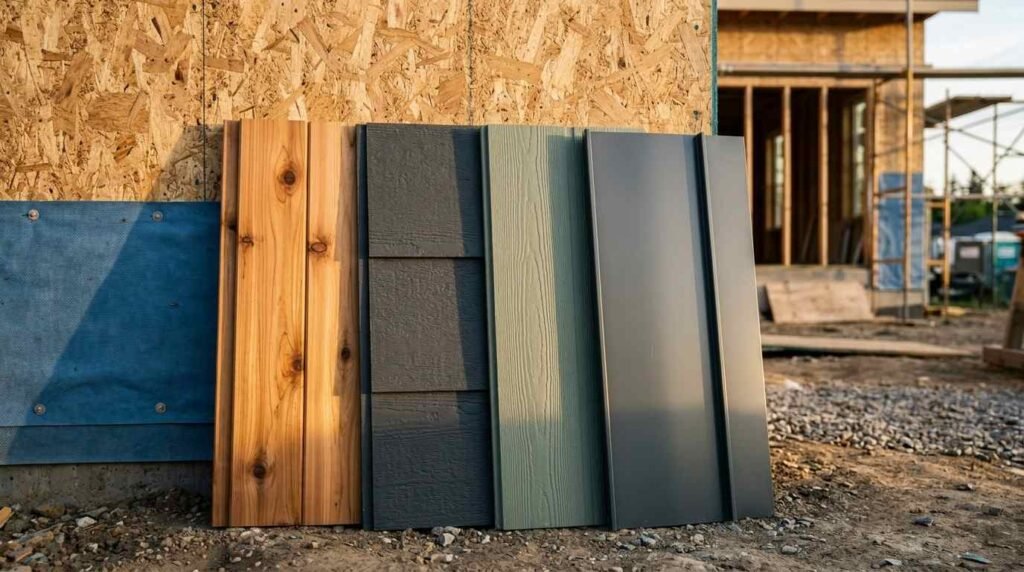
I’ve walked more framed-out homes than I can count, and the siding decision always comes down to the same three things: how it holds up, what it costs over time, and whether it actually fits the climate you’re building in. Fiber cement, vinyl, engineered wood, natural wood, stucco, brick veneer, and metal each solve different problems for different budgets.
New construction gives you a real advantage here. You’re not working around old sheathing or fighting existing moisture damage; you’re choosing the right material from a clean slate. That’s a rare opportunity, and it’s worth getting right the first time.
I’ll walk through what makes a siding option truly ready for new construction, then break down all seven materials side by side. After that, I’ll cover how to weigh climate and budget against long-term value, plus the questions worth asking your builder before anything goes on the wall.
What Makes Siding “New Construction Ready”
Not every siding material performs the same way on a brand-new build compared to a retrofit. New construction siding needs to integrate cleanly with fresh framing, modern sheathing, and current building codes from day one.
Siding compatibility is the relationship between a cladding material and the structural assembly behind it framing, sheathing, and moisture barrier working together as a single system. Get that relationship wrong, and even premium siding fails early.
Compatibility with Framing and Sheathing
New framing gives a builder a flat, consistent surface to work with. That’s the advantage: no old warps or rot to correct before the siding goes up.
Most modern builds use OSB or plywood sheathing wrapped in a weather-resistant barrier before siding installation starts. Getting that sequence right matters more than the siding brand you pick.
Code and Climate Considerations in California
California’s building codes vary sharply by region, and wildfire-prone zones carry specific material requirements under Chapter 7A of the California Building Code. Homes in these zones need ignition-resistant siding materials, which immediately narrows the field for anyone building in the foothills or wildland-urban interface.
Coastal areas bring a different problem: salt air and moisture that accelerate corrosion and rot. I always tell people to check their exact zone before falling in love with a material, because the “best” siding really does shift by location.
Fiber Cement Siding
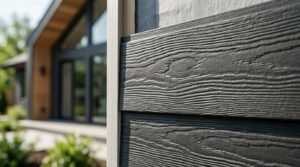
Fiber cement siding is a composite material made from cement, sand, and cellulose fibers that mimics the look of wood while resisting fire, rot, and pests. It’s become the default recommendation for a lot of California builds, especially in wildfire-prone regions, because it carries a Class A fire rating.
I like it for new construction specifically because it installs cleanly against fresh sheathing without the moisture concerns that come with retrofitting over older walls.
Durability and Lifespan
Fiber cement typically lasts 50 years or more with proper installation and maintenance. It resists warping, cracking, and insect damage far better than wood-based alternatives.
James Hardie, the largest manufacturer of fiber cement siding, backs its products with warranties reflecting that extended lifespan. That’s not a small thing when you’re comparing total cost of ownership over decades.
Cost and Installation Considerations
Fiber cement runs higher upfront than vinyl but lower than natural wood or masonry veneer. It’s heavier to install, which means labor costs run a bit higher and installation takes longer than lighter materials.
I’ve found the tradeoff pays off. Lower long-term maintenance costs offset the higher install price within the first decade for most homeowners.
Vinyl Siding
Vinyl siding is a plastic-based cladding material made primarily from polyvinyl chloride (PVC) that’s manufactured in a wide range of colors and textures. It remains the most budget-friendly option on this list, and for a lot of new construction projects, that matters more than anything else.
It’s not the most durable option here, but it’s far from the worst, and the price point makes it accessible for a lot of builds.
Durability and Lifespan
Vinyl siding generally lasts 20 to 40 years depending on climate exposure and installation quality. Intense heat can cause warping, which matters in California’s inland valleys where summer temperatures regularly climb past 100 degrees.
Coastal fog and moderate climates treat vinyl much better than desert heat does. I steer clients away from it in the hottest inland zones for that exact reason.
Cost and Installation Considerations
Vinyl is the least expensive siding material on this list, both in materials and labor. It’s lightweight, which speeds up installation significantly compared to fiber cement or masonry.
The savings are real, but so is the tradeoff. Vinyl doesn’t offer the fire resistance that wildfire-zone homes often need, so it’s ruled out entirely in many California regions before cost even enters the conversation.
Engineered Wood Siding
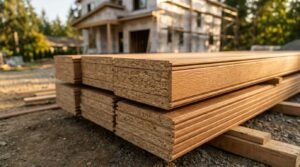
Engineered wood siding is a manufactured product made from wood strands or fibers bonded with resins to create panels that resist the warping and splitting common in solid wood. It gives homeowners the natural wood look without some of natural wood’s biggest weaknesses.
I recommend it often for clients who want a wood aesthetic but don’t want the maintenance schedule that comes with true solid wood siding.
Durability and Lifespan
Engineered wood typically lasts 20 to 30 years with proper sealing and maintenance. It resists cupping and splitting better than natural wood, though it still needs periodic refinishing to hold up against moisture.
It’s a middle-ground material with better durability than raw wood, but not in the same league as fiber cement or masonry over the long haul.
Cost and Installation Considerations
Engineered wood sits in the mid-range price bracket, above vinyl but generally below fiber cement. Installation is relatively straightforward since panels come pre-finished in many product lines.
That pre-finished convenience cuts labor time on new builds, which helps offset the material cost somewhat.
Natural Wood Siding
Natural wood siding is cladding milled directly from solid lumber, commonly cedar, redwood, or pine, prized for its authentic texture and warmth. Nothing else on this list matches its look, and that’s exactly why people still choose it despite the upkeep.
It’s a material I respect for its beauty, but I’m always upfront with clients about what it demands in return.
Durability and Lifespan
Natural wood lasts 15 to 40 years depending heavily on species, climate, and maintenance commitment. Cedar and redwood naturally resist rot and insects better than softer woods, which matters a lot in California’s varied climate zones.
Without consistent sealing and refinishing, though, even premium wood species degrade faster than any composite option here.
Cost and Installation Considerations
Natural wood sits at the higher end of the cost spectrum, and that’s before factoring in the ongoing maintenance expense. Staining or sealing every few years adds up over a home’s lifetime.
I only recommend it to clients who genuinely want that maintenance relationship with their home. It’s not an “install and forget” material.
Stucco Siding
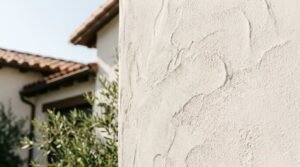
Stucco siding is a cement-based plaster applied in layers over a wire lath and building paper to create a seamless, textured exterior finish. It’s one of the most common siding choices across California, specifically because it performs so well in warm, dry climates.
The seamless application also gives it strong fire resistance, which lines up well with wildfire-zone requirements.
Durability and Lifespan
Traditional three-coat stucco can last 50 to 80 years when installed correctly and maintained. It handles California’s dry heat exceptionally well, though it’s more vulnerable in consistently wet or humid regions.
Cracking is the main long-term concern, usually tied to foundation settling rather than the stucco itself failing.
Cost and Installation Considerations
Stucco installation requires skilled labor and multiple curing stages, which stretches out the construction timeline compared to panel-based sidings. The material cost itself is moderate, but labor represents a larger share of the total price.
I always build extra time into the schedule for stucco specifically because rushing the curing process is where most quality problems start.
Brick and Stone Veneer Siding
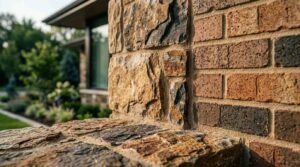
Brick and stone veneer siding is a thin layer of masonry material applied over a structural wall to deliver the appearance of solid masonry construction at a fraction of the weight and cost. It’s the most premium-looking option on this list, and the price tag reflects that.
For clients focused on curb appeal and permanence, this is usually where the conversation ends up.
Durability and Lifespan
Masonry veneer can last 100 years or more with minimal maintenance, making it the longest-lasting material in this comparison. It resists fire, pests, and weather damage better than nearly anything else available.
The main long-term concern is moisture management behind the veneer, which is why proper flashing and drainage planes matter enormously during installation.
Cost and Installation Considerations
Brick and stone veneer carries the highest material and labor costs on this list. Installation demands specialized skill, and the structural wall behind it needs to be engineered to support the additional weight.
It’s an investment-grade choice. I present it to clients who see their home as a multi-generational asset rather than a shorter-term hold.
Metal Siding
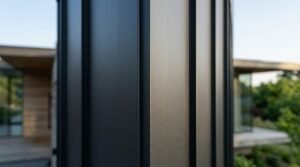
Metal siding is a cladding material typically made from steel or aluminum, finished with protective coatings that resist corrosion, fire, and pest damage. It’s gained real traction in modern and contemporary new construction over the past decade.
It’s also one of the strongest performers in wildfire-prone areas, since metal simply doesn’t burn.
Durability and Lifespan
Metal siding commonly lasts 40 to 70 years depending on the coating quality and coastal salt exposure. Steel handles impact better than aluminum, while aluminum resists corrosion better in humid or coastal environments.
Denting is the main durability concern, particularly with lighter-gauge aluminum panels in hail-prone inland areas.
Cost and Installation Considerations
Metal siding sits in the mid-to-upper price range, with cost varying significantly based on gauge, finish, and panel style. Installation is relatively efficient since panels are manufactured to precise, consistent dimensions.
The efficient installation process helps balance out the higher material cost on a lot of new builds.
How to Compare Siding Options for Your New Build
Comparing siding materials side by side gets a lot easier once you separate the decision into two lenses: what your specific climate demands, and what your budget can sustain over the home’s full lifespan. Skipping either lens leads to regret later.
Climate and Region-Specific Factors
Wildfire zones narrow the field fast; fiber cement, stucco, metal, and masonry veneer all carry strong fire-resistance profiles. Coastal zones favor materials that resist salt corrosion and moisture, which points toward fiber cement, stucco, and properly coated metal.
Inland heat zones create problems for vinyl and untreated wood, both of which struggle under sustained high temperatures. I always start the material conversation with location, because it eliminates options before cost even enters the picture.
Budget vs. Long-Term Value
Vinyl and engineered wood win on upfront cost, but fiber cement, stucco, and masonry veneer win on total cost of ownership once you factor in decades of reduced maintenance. That gap tends to close, and sometimes reverse, over a 20-to-30-year horizon.
I always encourage clients to calculate a rough lifetime cost rather than judging purely on the initial quote. The cheaper material upfront isn’t always the cheaper material over the life of the home.
Questions to Ask Your Builder About Siding Choices
The right questions during builder selection reveal a lot about construction quality before a single wall goes up. I’ve found that builders who understand materials deeply are different from those reciting a sales script.
Ask what siding warranty transfers with the home, and confirm whether it’s a manufacturer warranty, an installer warranty, or both. Ask how the builder handles moisture barrier and flashing details behind the siding, since that’s where most long-term failures actually originate.
Ask for examples of past projects using the siding material you’re considering, ideally ones old enough to show real weathering. A builder confident in their materials and installation process will have straightforward answers to all three.
Conclusion
Fiber cement, stucco, and masonry veneer dominate long-term durability, while vinyl and engineered wood serve tighter budgets well. Climate zone, wildfire exposure, and total lifetime cost should drive the final decision more than upfront price alone.
The right siding choice protects your investment for decades, not just through the first inspection. Getting this right at the new construction stage saves enormous cost and hassle down the road.
We help homeowners across California navigate these material decisions from day one of planning. Reach out to Tiny Home Builders California to talk through which siding option fits your project, your climate, and your long-term goals.
Frequently Asked Questions
What is the most durable siding for new construction?
Brick and stone veneer siding offers the longest lifespan, often lasting 100 years or more with minimal maintenance. Fiber cement and stucco follow closely behind, both regularly lasting 50 years or longer.
Which siding is best for California wildfire zones?
Fiber cement, stucco, metal, and masonry veneer all carry strong fire-resistance ratings suited to wildfire-prone areas. Vinyl and untreated wood generally don’t meet the ignition-resistance standards required in these zones.
Is vinyl siding a good choice for new construction?
Vinyl siding works well for budget-conscious builds in moderate climates, but it struggles in extreme heat and doesn’t meet fire codes in wildfire zones. It remains one of the most affordable options for coastal and temperate regions.
How much does fiber cement siding cost compared to vinyl?
Fiber cement typically costs more upfront than vinyl due to material weight and installation labor. The gap often narrows over time since fiber cement requires less maintenance and lasts significantly longer.
Does stucco siding work in every California climate?
Stucco performs best in dry, warm climates and struggles more in consistently humid or wet regions. It remains one of the most popular choices statewide because so much of California fits that dry-climate profile.
What siding material requires the least maintenance?
Fiber cement, stucco, metal, and masonry veneer all require significantly less ongoing maintenance than natural wood. Natural wood demands the most upkeep, needing regular sealing or staining to prevent rot and insect damage.
Can I mix different siding materials on one new construction home?
Yes, many new builds combine materials like stone veneer accents with fiber cement or stucco for visual contrast. Builders do this often to balance budget with the premium look of masonry in key areas.
How do I know if my siding choice meets local building codes?
Your builder should confirm code requirements based on your specific zone, especially in wildfire-prone or coastal areas with stricter material standards. Always ask for written confirmation that the chosen siding meets Chapter 7A requirements if you’re in a fire hazard zone.


