
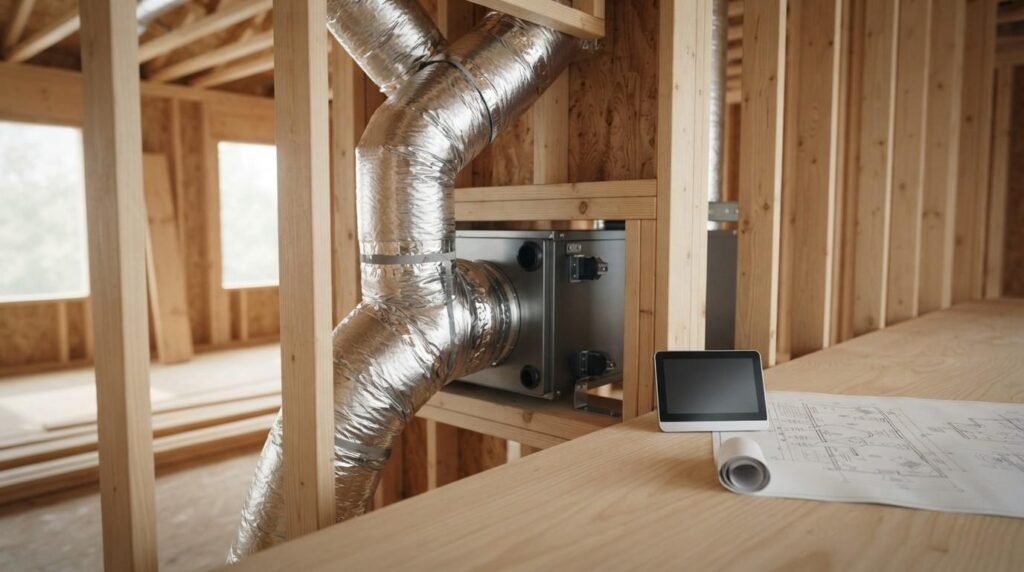
The best HVAC system for a new construction home is one sized correctly for the house, matched to your California climate zone, and installed during the build with sealed, properly designed ductwork. For most new homes across the state, that means a high-efficiency heat pump or a well-designed central split system. I’ve watched the wrong choice cost owners thousands in comfort problems and energy bills.
New construction gives you something a retrofit never can. The HVAC gets designed into the house from day one, not squeezed in around finished walls. That single advantage shapes comfort, air quality, and operating cost for the next 20 years.
Below, I walk through the system types that fit new builds, why installation and sizing quality decides real-world performance, the efficiency standards and Title 24 rules that apply in California, what it all costs over the home’s life, and how to choose the right system and installer for your project.
What Makes an HVAC System Ideal for New Construction Homes
An HVAC system is the equipment that heats, cools, ventilates, and filters the air in a home to keep it comfortable and healthy year-round. In new construction, the ideal system starts as a design decision, not a purchase at the end.
I always tell homeowners the same thing. The best time to think about heating and cooling is while the walls are still open.
HVAC Design Built Into the Construction Phase
When HVAC is planned during framing, the ductwork runs short and straight. Registers land where they should, and the equipment gets a proper home instead of a leftover corner.
That coordination between builder and HVAC contractor is where quality lives. I’ve seen beautiful homes underperform because the two trades never talked.
Whole-Home Comfort and Air Quality Goals
A good new-build system does more than hit a temperature. It keeps every room even, controls humidity, and pulls fresh air through the house.
Comfort you can feel. Air you can trust. That’s the real goal.
Central Air Conditioning and Furnace Systems for New Builds
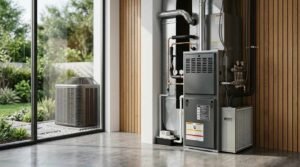
A central split system pairs an outdoor air conditioner with an indoor furnace and a shared duct network. It’s still the most common setup in new California homes, and for good reason.
The technology is proven, parts are everywhere, and any qualified tech can service it. That reliability matters over a 20-year lifespan.
Split System Basics
The outdoor unit handles cooling. The indoor furnace handles heating and moves the air. One thermostat, one duct system, whole-home coverage.
When a Gas Furnace Still Makes Sense
In colder California zones, a high-efficiency gas furnace delivers strong, fast heat. Natural gas often costs less per unit of heat in these areas, though the math shifts as electric rates and rebates change.
That said, California policy is steadily pushing new homes toward electric heating. So I weigh the furnace choice against where the state is headed, not just today’s bill.
Heat Pumps for New Construction Homes
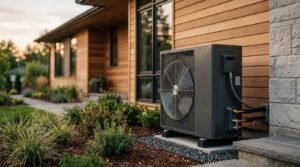
A heat pump is a single system that both heats and cools by moving heat rather than burning fuel. For most new California homes, it’s the system I recommend first.
One box does both jobs. No combustion, no gas line to the unit, and remarkable efficiency in our mild climate.
Air-Source Heat Pumps
An air-source heat pump pulls heat from outdoor air in winter and dumps heat outside in summer. The U.S. Department of Energy notes that today’s heat pumps can cut heating electricity use by roughly 65% compared to electric resistance heating.
Across most of California, that efficiency shines nearly year-round. Mild winters play directly to the technology’s strength.
Dual-Fuel and Cold-Climate Options
In the coldest mountain zones, a dual-fuel system pairs a heat pump with a backup furnace. The heat pump handles most days, and the furnace kicks in on the rare freezing morning.
Cold-climate heat pumps now hold capacity at much lower temperatures too. For most homeowners, that removes the old worry about heat pumps in winter.
Ductless Mini-Split Systems for Custom and Tiny Homes

A ductless mini-split delivers heating and cooling through wall-mounted indoor units connected to an outdoor compressor, with no ductwork at all. For small-footprint and custom builds, it’s often the smartest choice.
No ducts means no duct losses. Every watt goes straight into the room.
Zoned Comfort Without Ductwork
Each indoor head runs on its own. You cool the bedroom at night and leave the empty living room alone.
That room-by-room control saves energy and ends the fight over one thermostat.
Best Fit for Small-Footprint Builds
For a tiny home, an ADU, or a compact custom build, a mini-split fits where ducts never could. It heats and cools a small, well-insulated space with almost no waste.
I lean on this system constantly for smaller California projects. It’s efficient, quiet, and dead simple to zone.
Ductwork Design and Installation Quality
Ductwork is the network of channels that carries conditioned air from the equipment to every room. On a ducted system, it decides whether the whole thing works.
You can buy the best furnace on the market. Bad ducts will waste half of it.
Proper Duct Sizing and Sealing
Ducts must be sized to the airflow and sealed at every joint. Leaky ducts in an unconditioned attic can lose a large share of the air you paid to heat or cool.
New construction lets the crew run tight, sealed, well-insulated ducts inside conditioned space. That’s a quality edge a retrofit rarely matches.
Why Installation Craftsmanship Decides Performance
Two identical systems perform nothing alike when one is installed with care and one is rushed. Craftsmanship is the difference.
I judge an HVAC contractor by their ductwork more than their brochure. Clean, sealed, properly supported ducts tell me everything.
Energy Efficiency Ratings and Standards to Look For
Efficiency ratings are standardized scores that tell you how much heating or cooling a system delivers per unit of energy. Higher numbers mean lower bills.
Learn three of them before you shop. They cut through the sales pitch fast.
SEER2, HSPF2, and AFUE Explained
SEER2 rates cooling efficiency, HSPF2 rates heat-pump heating, and AFUE rates furnace efficiency. The ENERGY STAR program sets the benchmarks that mark a genuinely high-efficiency system.
Higher SEER2 and HSPF2 mean less electricity per degree of comfort. A 95% AFUE furnace turns almost all its fuel into usable heat.
California Title 24 Compliance
Every new California home must meet Title 24, the state’s energy code. It sets minimum efficiency and ventilation standards your HVAC design has to satisfy.
Your builder and HVAC contractor handle this together. Getting it right at design keeps the project on schedule and on code.
HVAC Sizing and Load Calculations for a New Home
HVAC sizing is the process of matching equipment capacity to a home’s actual heating and cooling demand. Get it wrong, and no amount of brand-name equipment saves you.
Bigger is not better here. It’s one of the most common and costly mistakes I see.
Manual J Load Calculation
A Manual J calculation figures a home’s exact heating and cooling load from its size, insulation, windows, and climate zone. It’s the industry standard, and any serious contractor runs one.
Skip it, and you’re guessing. On a custom home, guessing is expensive.
The Cost of an Oversized or Undersized System
An oversized system short-cycles, wears out early, and never controls humidity well. An undersized one runs constantly and still can’t keep up.
Right-sized equipment runs longer, with gentler cycles. That means steady comfort, lower bills, and a longer service life.
Indoor Air Quality, Ventilation, and Filtration
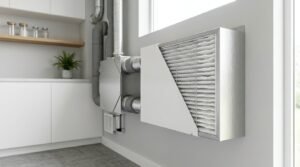
Indoor air quality describes how clean and healthy the air inside a home is, shaped by ventilation, filtration, and humidity control. In a tightly built modern home, mechanical ventilation is essential.
New homes seal up tight to save energy. That efficiency traps stale air unless you plan for fresh air on purpose.
Fresh-Air Ventilation and ERV/HRV Systems
An ERV or HRV brings fresh outdoor air in while recovering energy from the air it exhausts. The U.S. Environmental Protection Agency reports indoor air can be two to five times more polluted than outdoor air.
That’s why I treat ventilation as core equipment, not an upgrade. A tight home needs a deliberate way to breathe.
Filtration and Humidity Control
A good filter traps dust, pollen, and fine particles before they reach your lungs. Humidity control keeps the home comfortable and holds mold in check.
Together, they make the air feel clean and easy to breathe. Families with allergies notice the difference immediately.
What separates a system that merely runs from one that pays for itself? The answer lives in cost, value, and who installs it.
HVAC Costs and Long-Term Value in New Construction
HVAC cost in new construction covers the equipment, the ductwork, the labor, and the long-term operating expense. The sticker price is only the beginning of the story.
I ask homeowners to think in decades, not in this one invoice. The cheapest system rarely stays cheapest.
Upfront Cost vs. Lifetime Operating Cost
A high-efficiency system costs more to install and less to run every single month. Over a 15-to-20-year life, those monthly savings often erase the price gap and then some.
New construction also drops the install cost. Building HVAC into open framing is far cheaper than tearing into finished walls later.
Rebates, Incentives, and Warranties
California offers strong rebates and incentives for high-efficiency and electric heat pump systems. These programs shrink the upfront gap and shorten your payback.
A solid manufacturer warranty protects the investment for years. I always read the warranty terms before I recommend a brand.
How to Choose the Right HVAC System and Installer
Choosing the right HVAC system means matching equipment, efficiency, and installer quality to your specific home and climate. The system on paper only matters if the install is done right.
The best equipment, poorly installed, loses to good equipment installed well. Every time.
Questions to Ask Your Builder and HVAC Contractor
Ask whether they run a Manual J load calculation. Ask how they seal and test the ducts. Ask which efficiency ratings they’re targeting and how they meet Title 24.
Clear, confident answers signal a quality contractor. Vague ones are a warning I never ignore.
Matching the System to Your Home and Climate Zone
Your climate zone, home size, and layout point to the right system. A tiny coastal home wants a mini-split. A large inland home in a cold zone may want a dual-fuel heat pump.
At Tiny Home Builders California, we coordinate HVAC design into the build from the first drawing. That’s how we deliver homes that stay comfortable and efficient for the long haul.
Conclusion
The best HVAC system for a new construction home blends the right equipment type, correct sizing, sealed ductwork, and strong efficiency ratings into one coordinated design. Get those pieces right, and comfort follows for decades.
Every choice here connects. System type shapes efficiency, sizing shapes performance, and installation quality ties it all together into lasting home value.
We build HVAC quality into every home from the first drawing. Talk to Tiny Home Builders California about designing a system that keeps your new home comfortable, efficient, and built to last.
Frequently Asked Questions
What is the best HVAC system for a new construction home?
The best system is one sized correctly for your home and climate, with sealed ductwork installed during the build. For most California homes, a high-efficiency heat pump leads the pack.
Are heat pumps a good choice for new homes in California?
Yes. Heat pumps excel in California’s mild climate, handling both heating and cooling efficiently from one electric system. They also qualify for strong state rebates on new construction.
How much does an HVAC system cost in a new construction home?
Cost varies with home size, system type, and efficiency, but installing during construction is far cheaper than a retrofit. High-efficiency systems cost more upfront and save money every month.
What is a Manual J load calculation and why does it matter?
A Manual J calculation determines your home’s exact heating and cooling demand. It ensures the equipment is sized right, which prevents short-cycling, high bills, and poor comfort.
Is a ductless mini-split good for a tiny home or ADU?
Yes. A mini-split delivers efficient, zoned comfort without ductwork, making it ideal for small-footprint and custom builds. It fits tight spaces where ducts never could.
What efficiency ratings should I look for in a new HVAC system?
Look at SEER2 for cooling, HSPF2 for heat-pump heating, and AFUE for furnaces. Higher numbers mean lower energy bills and a genuinely high-efficiency system.
Does a new construction home need mechanical ventilation?
Yes. Modern homes seal tight to save energy, which traps stale air inside. An ERV or HRV brings fresh air in while recovering energy, keeping indoor air healthy.
How do I choose a good HVAC contractor for my new home?
Ask if they run a Manual J calculation, how they seal and test ducts, and how they meet Title 24. Clear, confident answers signal a quality installer.


