
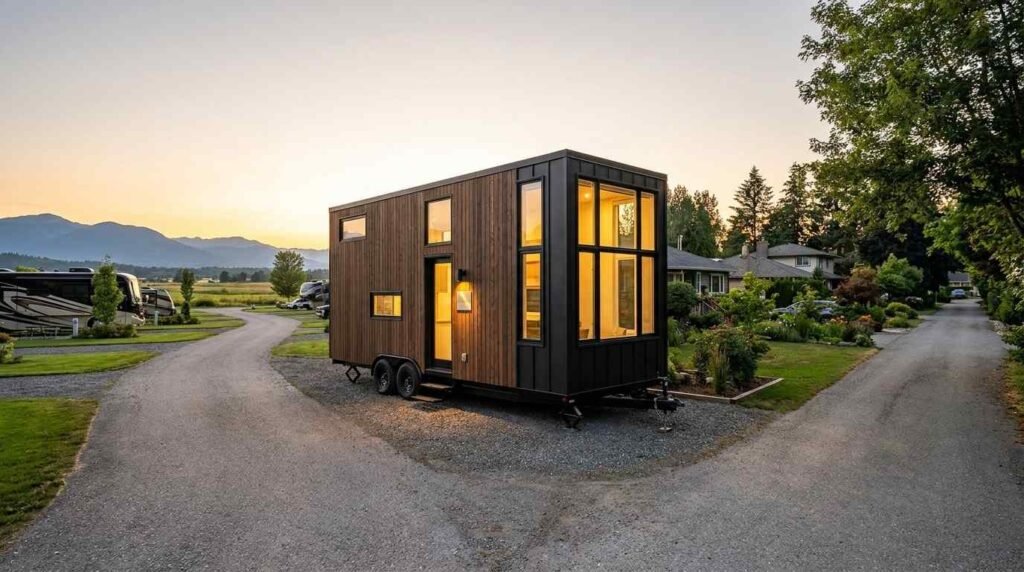
A tiny home on wheels is legally classified as either a recreational vehicle or a dwelling based on which certification it carries, and that single distinction controls where you can park it, whether a bank will finance it, and what happens when you try to sell it later. RVIA certification treats the unit as an RV under federal transportation standards, while NOAH certification treats it as a dwelling built to residential safety codes. Builders throw both acronyms around like they’re interchangeable. They are not.
I’ve watched buyers find this out the hard way, usually after they’ve already signed a contract. A tiny home with no certification at all is a legal gray area that insurers, lenders, and county zoning offices treat with real suspicion.
Here’s what I’m covering. I walk through what RVIA and NOAH certification actually mean and how they differ, how that certification determines whether your home counts as an RV or a dwelling under the law, where you can legally park or live in it, how it shapes financing and insurance, and what California specifically requires. Then I get into comparing the two paths directly, what happens when a build skips certification altogether, and how to verify a builder’s credentials before you sign anything.
What RVIA Certification Means for a Tiny Home on Wheels
RVIA certification is a seal issued by the Recreational Vehicle Industry Association confirming a unit meets NFPA 1192 safety standards for RVs. It covers electrical systems, plumbing, LP-gas systems, and structural components built to move on public roads.
I think of RVIA as a manufacturing-standard stamp, not a building-code stamp. It tells you the unit passed the same inspection process a travel trailer or fifth wheel goes through, not that it meets residential construction code.
That matters because RVIA-certified homes get classified as recreational vehicles almost everywhere. That classification opens doors to RV parks and certain financing products, and it closes doors to anywhere zoned strictly for permanent dwellings.
How the RVIA Inspection Process Works
An RVIA inspection happens during construction, not after. A third-party inspector checks the build at multiple stages against the NFPA 1192 checklist covering wiring, gas lines, water systems, and weight distribution.
Builders who are members of RVIA pay for this inspection and display the seal once the unit passes. The seal includes a data plate with the unit’s weight, dimensions, and manufacture date, which matters later for titling and registration.
What the RVIA Seal Actually Certifies
The RVIA seal certifies life-safety systems and structural integrity for transport. It does not certify energy efficiency, insulation quality, or long-term durability standards the way a residential code inspection does.
I tell clients to treat the seal as a floor, not a ceiling. It confirms the home is safe enough to tow and safe enough to live in short-term. It says nothing about whether the materials will hold up over fifteen years of daily use.
What NOAH Certification Means and How It Differs From RVIA
NOAH stands for the National Organization of Alternative Housing, and its certification treats a tiny home on wheels as a dwelling built to a modified residential building code rather than an RV standard. This is the certification path builders use when the end goal is year-round, permanent living rather than travel.
The practical difference comes down to intended use. RVIA assumes the unit moves regularly and gets used part-time. NOAH assumes the opposite: a fixed or rarely-moved unit meant to function as a full-time residence.
Insulation requirements, structural load calculations, and moisture control standards under NOAH tend to run closer to residential building code than RV code. That’s a meaningful upgrade if you’re planning to live in the unit year-round in a climate with real winters or real heat.
The NOAH Inspection and Compliance Process
NOAH inspections happen through third-party agencies accredited to evaluate against the NOAH-adopted code, which draws from the IRC Appendix Q for tiny houses. The inspector checks structural framing, egress windows, ventilation, and energy performance.
Builders receive a compliance certificate and insignia once the unit passes, similar in spirit to the RVIA seal but built around residential rather than vehicular standards.
When NOAH Applies Instead of RVIA
NOAH makes sense when the home is going on a fixed foundation or semi-permanent site and functions as a primary residence. RVIA makes sense when the home travels regularly or sits in a location zoned for recreational vehicles.
Some builders pursue both certifications on the same unit to keep options open. That costs more upfront, but it gives the owner flexibility if their living situation changes down the road.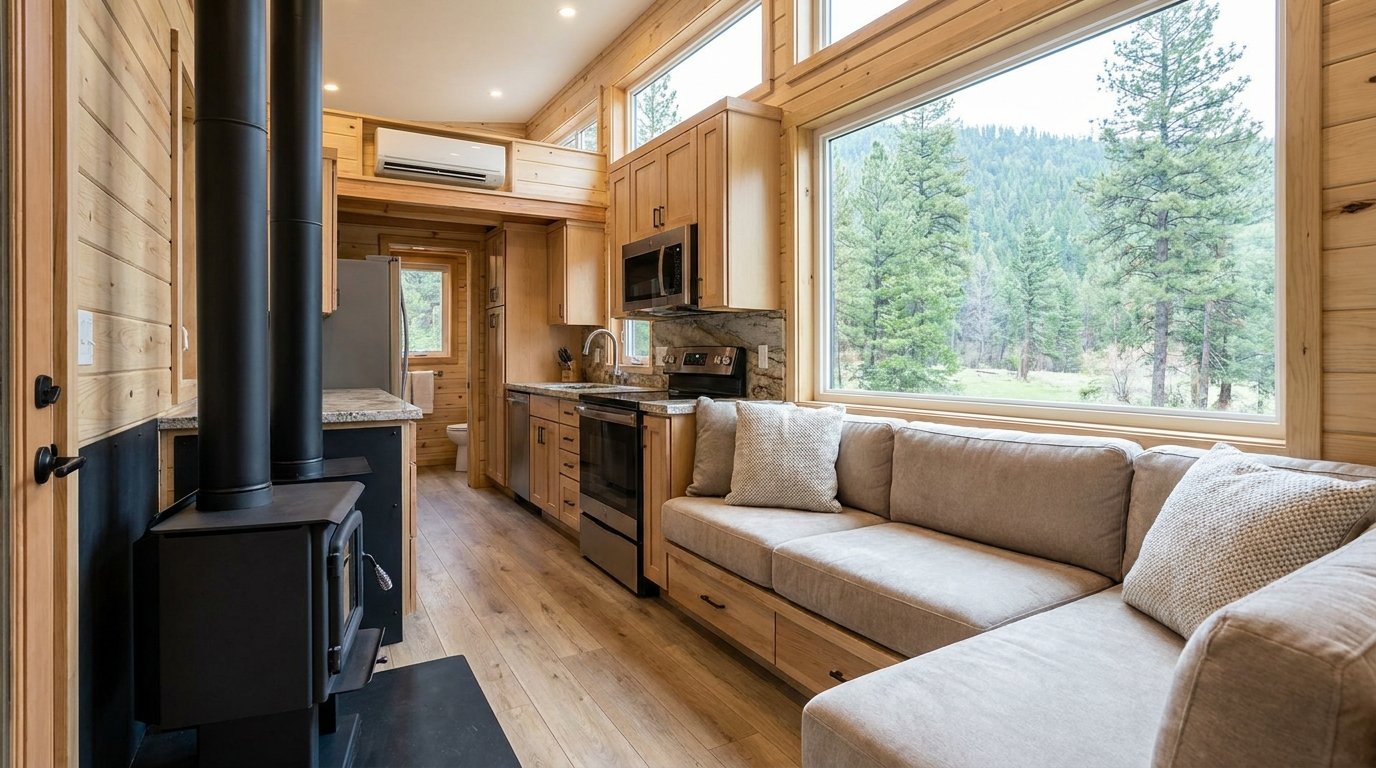
How Legal Classification Determines Whether a Tiny Home Is an RV or a Dwelling
Legal classification is not about how the home looks or how it’s built. It’s about which certification paperwork exists and which code that paperwork references. A beautifully built tiny home with zero certification has no clear legal status at all, and that ambiguity creates problems everywhere from insurance to resale.
Every jurisdiction I’ve researched treats the certification document as the deciding factor, not a physical inspection of the finished unit. County officials look for the seal or the compliance plate first.
RV Classification Under State and Federal Law
Federal transportation law classifies any unit built to NFPA 1192 and carrying an RVIA seal as a recreational vehicle, regardless of how someone actually uses it day to day. States generally adopt this classification for registration and titling purposes.
That classification comes with restrictions. Most residential zoning codes prohibit RVs as permanent dwellings, which pushes RVIA-certified units toward RV parks, private land with special permits, or accessory dwelling arrangements where local code allows it.
Dwelling Classification and Building Code Triggers
A NOAH-certified unit, or one built to a jurisdiction’s adopted Appendix Q standard, gets treated closer to a dwelling. That opens the door to placement on residential lots as an accessory dwelling unit in jurisdictions that permit it.
The trigger isn’t the wheels underneath the unit. It’s whether the construction standard and certification align with residential building code requirements that a local building department recognizes.
Why Certification Affects Where You Can Legally Park or Live
I get this question more than almost any other: can I just park it and live there? The honest answer depends entirely on what certification the unit carries and what the local zoning code says about that certification type.
An RVIA-certified unit parked in a residential backyard as a full-time residence is, in most California counties, a code violation waiting to be reported by a neighbor.
Zoning Rules Tied to RVIA/NOAH Status
Zoning departments generally sort structures into use categories: recreational vehicle, accessory dwelling unit, or non-conforming structure. RVIA units fall into the first category almost everywhere, which limits them to RV parks, campgrounds, or short-term stays on private property.
NOAH-certified or Appendix Q-compliant units have a real shot at ADU classification in jurisdictions that have updated their code to recognize tiny homes on wheels as legitimate accessory structures.
RV Park and Campground Requirements
RV parks and campgrounds typically require an RVIA seal or equivalent as a condition of long-term stay agreements. Insurance carriers covering the park often mandate this too, since it confirms the unit meets a recognized safety standard.
A tiny home without any certification gets turned away at the gate more often than owners expect. Park managers don’t want the liability of an uninspected structure on their property.
How Certification Impacts Financing, Insurance, and Titling
Money follows classification. Lenders and insurers built their underwriting models around RV loans and homeowner’s policies, and a tiny home on wheels has to fit into one of those two boxes or it becomes very hard to finance and insure at all.
I’ve seen deals fall apart at the financing stage because the builder never pursued certification, leaving the buyer with no lending product that fits.
Lender Requirements for Certified Tiny Homes
RV-specific loans typically require an RVIA seal as a baseline underwriting condition, similar to how a car loan requires a VIN and title. Without it, most RV lenders decline the application outright.
NOAH-certified units sometimes qualify for specialty tiny home loan products or personal property loans, though true mortgage financing usually still requires a permanent foundation and dwelling classification that a wheeled unit rarely meets.
Insurance Coverage Differences by Classification
RVIA-certified units generally qualify for RV insurance policies, which cover collision, comprehensive, and liability similar to auto coverage. NOAH-certified units, especially those on a fixed site, sometimes qualify for specialty dwelling policies instead.
Uncertified units frequently get flagged during underwriting, and carriers either deny coverage or charge a steep premium to offset the unknown risk.
California-Specific Rules for Tiny Homes on Wheels
California adds its own layer of complexity on top of the federal certification landscape, and the rules genuinely vary from county to county in ways that surprise a lot of buyers.
I always tell California clients to check their specific county’s planning department before assuming a certification automatically means legal placement anywhere in the state.
California Title 25 and HCD Oversight
The California Department of Housing and Community Development regulates mobile homes and manufactured housing under Title 25, and tiny homes on wheels sometimes fall under this oversight depending on how they’re classified. The California HCD website maintains current guidance on which structures require state registration versus local building permits.
Units certified under NOAH or built to Appendix Q standards may still need separate California-specific registration depending on intended placement and use.
County-Level Zoning Variations Across California
Some California counties have adopted tiny-home-friendly ADU ordinances that explicitly recognize NOAH-certified units on wheels as legal accessory dwellings. Others have not updated their code at all, leaving tiny homes in a legal gray zone regardless of certification.
I recommend calling the local planning department directly before buying or building. A certification that works perfectly in one county can still get flagged in the next one over.
RVIA vs NOAH: Which Certification Fits Your Tiny Home Project
Choosing between the two comes down to one question: is this home going to travel, or is it going to sit in one place as your primary residence? That single answer points you toward the right certification path almost every time.
Key Differences at a Glance
RVIA suits frequent travelers, seasonal use, and placement in RV parks or campgrounds. NOAH suits full-time residents planning to place the unit on a fixed or semi-permanent site with residential-grade insulation and structural standards.
Cost differs too. NOAH inspections and the residential-grade materials they require typically add to the build budget compared to a standard RVIA-only build.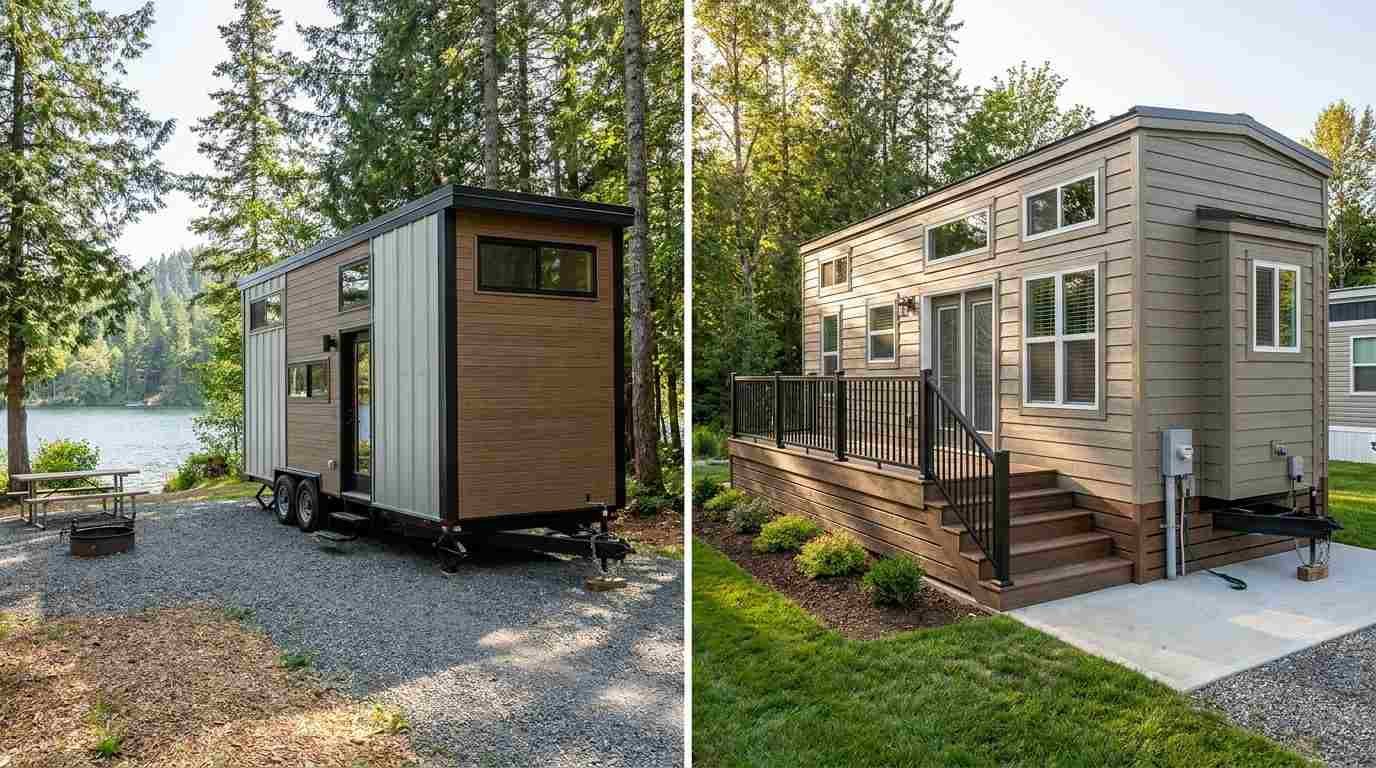
What Happens If a Tiny Home Is Built Without Certification
An uncertified tiny home isn’t automatically illegal to build, but it’s legally invisible in almost every system that matters: financing, insurance, resale, and zoning enforcement all default to treating it as unclassifiable.
I’ve watched this cost owners real money at resale, when a buyer’s lender simply won’t touch a unit with no certification paperwork.
Resale and Appraisal Challenges
Appraisers have no standard framework for valuing an uncertified structure, so they either decline the appraisal or value it far below what the owner invested in materials and labor. Buyers relying on financing hit the same wall the original owner did.
Legal and Safety Risks of Uncertified Builds
Beyond the paperwork problems, uncertified builds skip third-party inspection entirely, which means nobody verified the electrical, gas, or structural work against any recognized standard. That’s a genuine safety gap, not just a bureaucratic one.
How to Verify a Builder’s Certification Credentials
I always tell prospective buyers to verify certification status before signing anything, not after the build starts. A builder’s claim that they “can certify it” means nothing without proof of an active RVIA membership or NOAH-accredited inspection agency relationship.
Questions to Ask Before Signing a Build Contract
Ask which certification the builder pursues by default and whether that matches your intended use. Ask for the name of the third-party inspection agency they use and confirm that agency’s accreditation status directly, not just through the builder’s word.
Ask to see the data plate or compliance certificate from a previous completed build. A builder with nothing to show here is a red flag worth taking seriously.
Steps to Get Your Tiny Home Certified Before or After Construction
Certification is easiest and cheapest when it’s planned from the first design meeting, but it’s not impossible to add after the fact if the build already meets most of the underlying standard.
Pre-Construction Certification Path
Choose your certification target before drawing final plans, since RVIA and NOAH standards affect framing, insulation thickness, and system layout differently. Confirm your builder’s inspection agency relationship before construction starts, not after the trailer is already framed.
Post-Build Inspection and Retrofitting Options
Some agencies will inspect a completed unit and issue certification retroactively if it already meets the standard, though retrofitting non-compliant systems afterward costs significantly more than building to spec from day one. I recommend this path only when there’s genuinely no alternative.
Conclusion
RVIA and NOAH certification are the two paths that determine whether your tiny home is legally an RV or a dwelling, and that single distinction shapes financing, insurance, and where you can park it.
California adds county-level variation on top of that federal split, which makes local research non-negotiable before you commit to a build or a lot.
We help homeowners navigate certification decisions from the first design conversation, so your tiny home fits the legal path you actually need. Reach out to Tiny Home Builders California to start that conversation.
Frequently Asked Questions
What is the difference between RVIA and NOAH certification?
RVIA certifies a tiny home as a recreational vehicle under NFPA 1192 transportation standards, while NOAH certifies it as a dwelling built closer to residential building code. The right choice depends on whether the home travels or stays in one place full-time.
Can I live full-time in an RVIA-certified tiny home?
Full-time living in an RVIA-certified unit is legally restricted in most residential zones since it’s classified as a recreational vehicle. RV parks and properly permitted private land are typically the only compliant options.
Does California require special certification for tiny homes on wheels?
California doesn’t mandate one single certification, but county zoning and HCD oversight vary significantly by location. I always recommend confirming requirements with the specific county planning department before building.
Can an uncertified tiny home be certified later?
Some inspection agencies will evaluate a completed unit and certify it retroactively if it already meets the standard. Retrofitting non-compliant systems afterward is usually far more expensive than certifying during construction.
Will a bank finance an uncertified tiny home?
Most RV lenders and specialty tiny home loan products require RVIA or NOAH certification as a baseline underwriting condition. Uncertified units typically get declined or face significantly higher costs to finance.
Does NOAH certification allow a tiny home to be classified as an ADU?
NOAH-certified units have a realistic path to ADU classification in counties that have updated their zoning code to recognize tiny homes on wheels. Not every jurisdiction has adopted rules that allow this yet, so local confirmation matters.
How do I verify a builder’s RVIA or NOAH credentials?
Ask for the name of their third-party inspection agency and confirm that agency’s accreditation independently rather than taking the builder’s word alone. Request to see a data plate or compliance certificate from a previously completed project.


