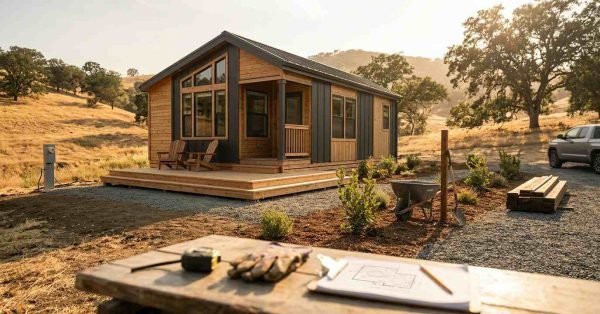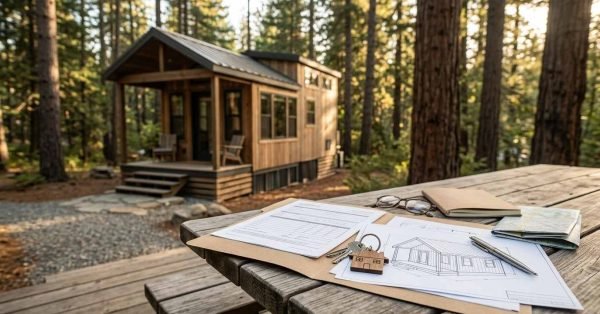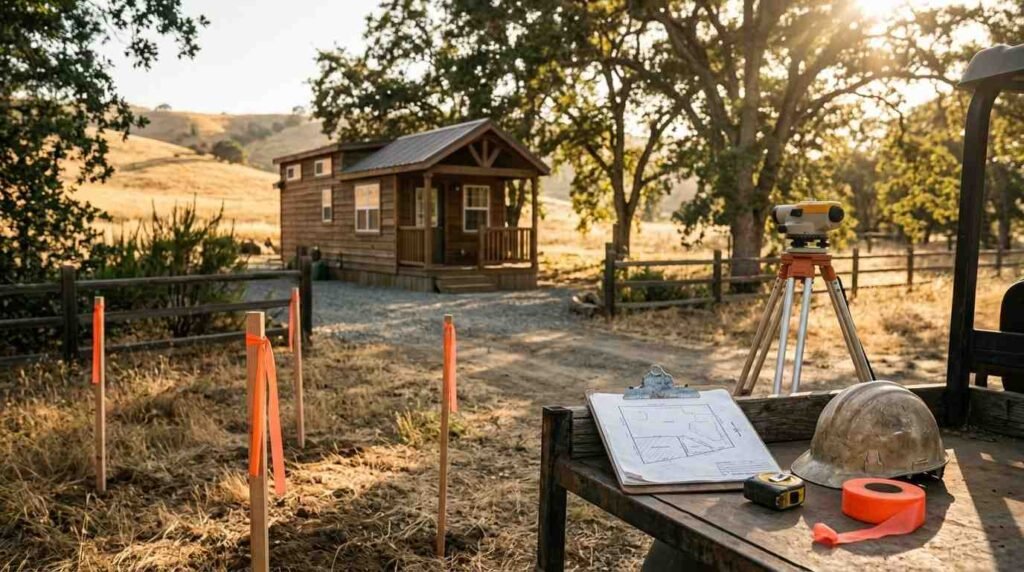
A park model home is a factory-built dwelling under 400 square feet that California classifies separately from both RVs and manufactured homes, and that classification is exactly why placement rules get complicated fast. I’ve watched buyers fall in love with a park model, then discover the land they already bought can’t legally hold it. Zoning, not the home itself, decides where you can live.
Getting this wrong costs thousands in fines, forced relocation, or a total loss of your investment if the county orders removal.
This guide walks through how California classifies park models, the zoning differences between counties and cities, your main placement options from RV parks to private land and ADUs, and the permits, costs, and restrictions that come with each path. We’ll also flag the mistakes that trip up most first-time buyers.
What Counts as a Park Model Home Under California Law
A park model home is a recreational vehicle under California’s Health and Safety Code, built on a single chassis, no more than 400 square feet, and intended for seasonal or temporary occupancy rather than full-time residence. That last part surprises almost everyone I talk to. I’ve had clients assume that because a park model looks and functions like a tiny house, it gets treated like one legally. It doesn’t.
Park Model vs. RV vs. Manufactured Home Classification
California’s RV classification puts park models in the same regulatory bucket as travel trailers, even though they’re far less mobile in practice. A manufactured home, by contrast, is built to HUD code and can be permanently sited as a primary residence in most residential zones. This distinction is the single biggest factor in where you’re allowed to put one.
Why Legal Classification Determines Where You Can Place It
Because park models are legally RVs, most residential zoning codes don’t permit them as permanent dwellings outright. This pushes buyers toward a smaller set of approved pathways, which I cover section by section below. The classification also affects financing, insurance, and resale, though those are separate conversations from placement itself.
Understanding Zoning Basics for Park Model Homes
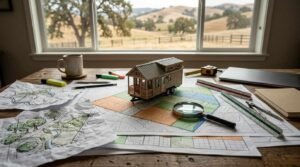
Zoning in California is set at the county and city level, which means there’s no single statewide rule for where a park model home can legally sit. Each jurisdiction decides this independently, and the differences between neighboring counties can be significant.
Residential, Agricultural, and Mixed-Use Zoning Differences
Residential zones typically restrict occupancy to structures meeting building code, which usually excludes RV-classified park models as primary residences. Agricultural zoning tends to allow more flexibility, especially for farmworker housing or accessory structures tied to land use. Mixed-use and rural residential zones fall somewhere in between, and I always tell people to check the zoning designation before checking anything else about a property.
How Counties vs. Cities Handle Park Model Zoning
Unincorporated county land generally has fewer restrictions than incorporated city limits, since cities tend to enforce stricter building and occupancy codes. Counties often leave more room for interpretation at the planning department level, which cuts both ways: more flexibility, but less predictability.
Licensed Mobile Home and RV Parks
Licensed mobile home and RV parks remain the most straightforward legal path for placing a park model home in California, because these parks are specifically zoned and permitted for this use. I point most first-time buyers here first, simply because the legal risk is lowest.
Permanent Park Model Sites vs. Seasonal Sites
Some parks offer permanent sites designed for full-time park model living, complete with utility hookups and long-term lease structures. Others operate as seasonal RV sites where occupancy is capped at a certain number of days per year, often 180 days under many county health codes. Mixing these up is one of the most common and expensive mistakes I see, since a seasonal site won’t legally support year-round living no matter how the home itself is set up.
Lease Terms and Long-Term Placement Rules
Park leases vary widely in length, renewal terms, and site improvement allowances, and I always read the fine print on what happens if the park changes ownership or policy. A long-term lease with clear renewal rights protects your investment far better than a month-to-month arrangement, even if the monthly rate looks better upfront.
Private Land Placement Requirements
Placing a park model home on privately owned land is possible in parts of California, but it depends entirely on the property’s zoning designation and the county’s specific allowances for RV-classified structures.
Minimum Lot Size and Setback Rules
Most counties that allow park models on private land require a minimum lot size, often one acre or more in rural zones, along with setback distances from property lines, roads, and water sources. These requirements exist primarily for septic and well placement, not the park model itself, but they still determine whether your land qualifies.
Accessory Dwelling Unit (ADU) Pathways for Park Models
Some jurisdictions allow a park model to qualify as an accessory dwelling unit when it meets specific foundation and utility connection standards, which opens placement options on residentially zoned land that wouldn’t otherwise allow it. This path has grown more common as California pushes ADU-friendly policy statewide, and it’s worth asking your local planning department about it directly before assuming it applies.
County-by-County Zoning Variations Across California
County-by-county zoning variation is the single biggest reason two buyers with similar budgets end up with completely different placement options in California. What’s legal in one county can be outright prohibited an hour’s drive away.
Rural County Flexibility vs. Urban Restrictions
Rural counties with large unincorporated areas, particularly in the Sierra foothills and high desert regions, tend to offer the most flexibility for park model placement on private land. Urban and suburban counties near major metro areas enforce tighter residential codes, largely because of population density and infrastructure capacity concerns.
Coastal Zone and Environmentally Sensitive Area Rules
Properties within the California Coastal Zone face additional permitting layers through the California Coastal Commission, on top of standard county zoning. Environmentally sensitive habitat areas carry similar added restrictions, and these overlays can quietly disqualify land that otherwise looks zoning-compliant on paper.
Building Permits and Foundation Requirements
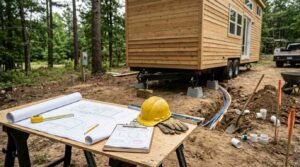
Building permits and foundation type are where park model placement gets technical, and they directly affect whether your home is treated as temporary or permanent in the eyes of the county.
Permanent Foundation vs. Wheels-On Placement
A park model set on a permanent foundation, with wheels and axles removed, is more likely to qualify for ADU or residential placement pathways, but this also means it loses its RV classification and must meet stricter building code requirements. Wheels-on placement keeps the RV classification intact but limits you to RV parks or specific rural zoning allowances.
Utility Hookup Permits (Water, Sewer, Electrical)
Connecting to water, sewer, and electrical service almost always requires separate permits beyond the placement permit itself, and septic system approval in rural areas can add weeks to the timeline. I’ve seen buyers get the land and placement approved only to stall out for months waiting on septic percolation testing.
HOA and Deed Restriction Considerations
Homeowners association rules and deed restrictions can prohibit park model homes even on land where county zoning would otherwise allow them, so this check happens independently of any government approval process. An HOA’s covenants, conditions, and restrictions document is a private contract, not a public zoning rule, and it can be far more restrictive than the county code.
Placing a Park Model Home on Agricultural Land
Agricultural zoning offers some of the more flexible placement opportunities for park model homes in California, particularly when the home supports a working farm or ranch operation.
Agricultural Worker Housing Exemptions
Many counties provide exemptions under agricultural worker housing provisions, allowing park models to house farm labor without meeting the same standards required of standard residential dwellings. These exemptions typically require the land to be actively used for qualifying agricultural production, not simply zoned agricultural on paper.
Placing a Park Model Home as a Backyard ADU
Backyard ADU placement has become one of the fastest-growing legal pathways for park model homes, driven largely by California’s statewide push to expand accessory dwelling unit availability.
California ADU Law and Park Model Eligibility
California’s ADU legislation streamlines approval for accessory structures statewide, but park models must typically meet permanent foundation and utility standards to qualify under this framework. Not every jurisdiction interprets ADU eligibility for park models the same way, so direct confirmation from the local building department matters more here than almost anywhere else in this process.
Temporary vs. Permanent Placement Permits
The distinction between a temporary and permanent placement permit shapes nearly every other decision in this process, from financing to utility connections to how long you can legally stay.
Temporary permits are common for construction-phase housing or short-term stays and typically cap occupancy at a set number of months. Permanent placement permits require meeting full residential or ADU standards and generally take longer to secure, but they provide the legal stability most full-time park model residents are actually looking for.
Floodplain, Fire Zone, and Environmental Restrictions
Floodplain mapping and fire hazard severity zones add another layer of restriction on top of standard zoning, and these designations can prohibit or significantly complicate park model placement regardless of what the base zoning allows.
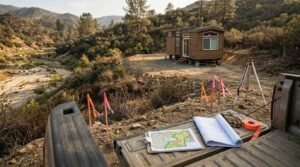
Properties in FEMA-designated flood zones often require elevated foundations or flood-resistant construction standards that park models weren’t built to meet. High and very high fire hazard severity zones, increasingly common across California’s wildland-urban interface, frequently require defensible space clearances and fire-resistant materials that affect where structures can legally sit on a parcel.
HOA-Free and Unincorporated County Land Options
Unincorporated county land without an HOA remains one of the cleanest paths to park model placement, since it removes the private contract layer entirely and leaves only the county’s zoning code to satisfy.
These properties tend to be concentrated in rural and semi-rural areas, which also means fewer nearby amenities and longer utility runs in many cases. The tradeoff is straightforward: less red tape in exchange for more self-sufficiency in infrastructure.
Common Zoning Violations and How to Avoid Them
Zoning violations involving park model homes almost always stem from the same handful of mistakes, and nearly every one of them is preventable with research before purchase.
The most frequent violation is placing a park model as a full-time residence in a zone that only permits seasonal RV occupancy. A close second is skipping the permit process entirely, assuming that because the home is “just an RV,” no permit is needed. Both mistakes can trigger fines, forced removal, or liens against the property.
Working with Local Planning Departments
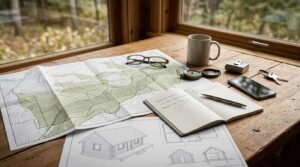
Local planning departments are the actual authority on what’s allowed on a specific parcel, and a five-minute phone call before buying land saves far more time than researching zoning codes online.
Questions to Ask Before You Buy Land
Ask directly whether park model homes are permitted as a primary residence on the parcel, whether the zoning allows RV-classified structures long-term, and what permits would be required for your specific placement plan. Get the answer in writing when possible, since verbal guidance from a planning counter isn’t always binding if a dispute comes up later.
Costs Associated with Legal Placement
Legal placement costs extend well beyond the price of the park model home itself, and budgeting for them upfront prevents the mid-project funding gaps I see trip up a lot of buyers.
Permit Fees, Survey Costs, and Inspection Costs
Permit fees vary by county but commonly range from a few hundred to a few thousand dollars depending on the scope of utility connections required. Land surveys, septic percolation tests, and inspection fees add further cost, and a 2024 industry cost analysis found that permitting and site prep can represent 15% to 25% of total project cost on rural parcels requiring new utility infrastructure.
Conclusion
California treats park model homes as RVs, which shapes every zoning decision from RV parks to private land to ADU pathways. Counties, HOAs, and environmental overlays each add their own layer of restriction on top of base zoning rules.
Confirming zoning, permits, and placement type before buying land protects your investment and your ability to actually live in the home you’ve built. Working through this process with a builder who understands construction standards and placement requirements removes most of the guesswork.
We help California homeowners navigate zoning, permitting, and construction decisions from day one. Reach out to Tiny Home Builders California to plan your legally placed, properly built park model home.
Frequently Asked Questions
Is it legal to live in a park model home full-time in California?
Full-time occupancy depends on the zoning and permit type, not the home itself. Licensed mobile home parks with permanent sites typically allow it, while seasonal RV sites usually cap occupancy at 180 days a year.
Can I place a park model home on residential property in California?
Standard residential zoning usually doesn’t permit park models as primary residences because of their RV classification. Some jurisdictions allow it through ADU pathways if the home meets foundation and utility standards.
Do park model homes need a building permit in California?
Permit requirements depend on placement type and foundation. Permanent placements and ADU conversions require building permits, while temporary RV park placement typically follows park-level and health code permits instead.
What is the difference between a park model home and an ADU?
A park model is legally classified as an RV under California code, while an ADU is a permanent residential structure meeting building code. A park model can sometimes qualify as an ADU if it meets permanent foundation and utility requirements.
Can I put a park model home on agricultural land?
Agricultural zoning often permits park models, especially under farmworker housing exemptions tied to active agricultural production. The land must typically be in genuine agricultural use, not just zoned agricultural.
Which California counties are most park-model-friendly?
Rural counties with large unincorporated areas, particularly in the Sierra foothills and high desert regions, generally offer more flexibility than dense urban or suburban counties. Zoning still varies by specific parcel, so direct county confirmation is necessary.
How much does it cost to legally place a park model home?
Costs include permit fees, land surveys, septic testing, and utility connections, often totaling 15% to 25% of project cost on rural parcels. Pricing varies significantly by county and existing site infrastructure.