
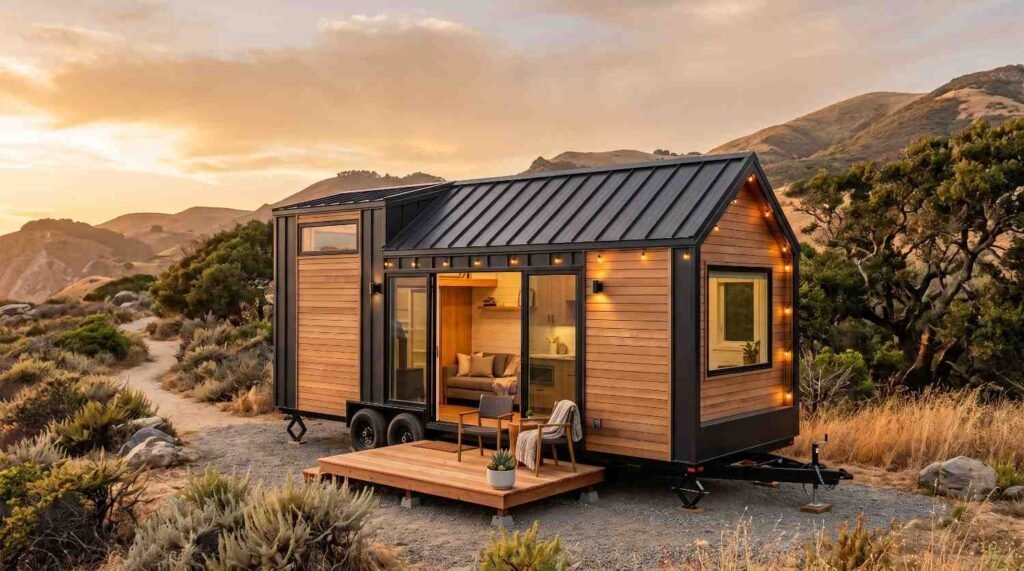
A tiny house on wheels costs $45,000 to $150,000 on average, depending on size, materials, and finish level. I’ve broken down every cost category below so you know exactly where your money goes.
Building on wheels isn’t cheap curiosity anymore. It’s a real housing option, and understanding true costs protects you from underbuilt trailers and inflated quotes.
I cover what drives the price up or down, typical budget ranges across build tiers, the material and structural choices that shape quality, chassis and utility system costs, permitting and delivery, DIY versus hiring a builder, and how to budget accurately here in California.
What Determines the Cost of a Tiny House on Wheels
Cost comes down to size, design complexity, material grade, and labor. A 200-square-foot build with custom joinery costs far more than a simple 150-square-foot shell.
I look at square footage first with every client. It’s the single biggest cost lever in the entire build.
Size and Square Footage Impact
Square footage drives material quantity and labor hours directly. Every additional 20 square feet adds framing, siding, insulation, and finish work that compounds fast.
A tiny house on wheels is a dwelling built on a trailer chassis that stays under road-legal width and height limits. Most legal builds sit between 150 and 400 square feet.
Bigger shells need heavier axles too. That pushes chassis costs up right alongside the build itself.
Custom Design vs. Stock Floor Plans
Stock floor plans save money because the builder already has cut lists and material orders dialed in. Custom layouts add design hours, unique framing, and often waste more material.
I always tell clients: custom costs 15-25% more than a proven stock plan. It’s worth it for some layouts, not for others.
Average Price Ranges for Tiny Houses on Wheels
Price ranges break into three clear tiers. Knowing which tier you’re shopping in prevents sticker shock later.
Budget-Tier Builds
Budget builds run $45,000 to $65,000 and use basic materials, standard appliances, and simpler finishes. Insulation and structural work still meet code, but upgrades are minimal.
These builds work well for weekend retreats or rental units. They’re not built for extreme climates without upgrades.
Mid-Range Builds
Mid-range tiny houses land between $65,000 and $100,000. This tier includes better insulation, upgraded kitchens, and more thoughtful storage design.
Most full-time occupants land in this range. It balances comfort with reasonable cost per square foot.
High-End Custom Builds
High-end builds run $100,000 to $150,000+ with premium materials, custom cabinetry, and top-tier off-grid systems. Builders spend significantly more time on finish carpentry here.
I’ve seen clients push past $180,000 with imported fixtures and full solar-plus-battery setups. The ceiling really depends on your finish list.
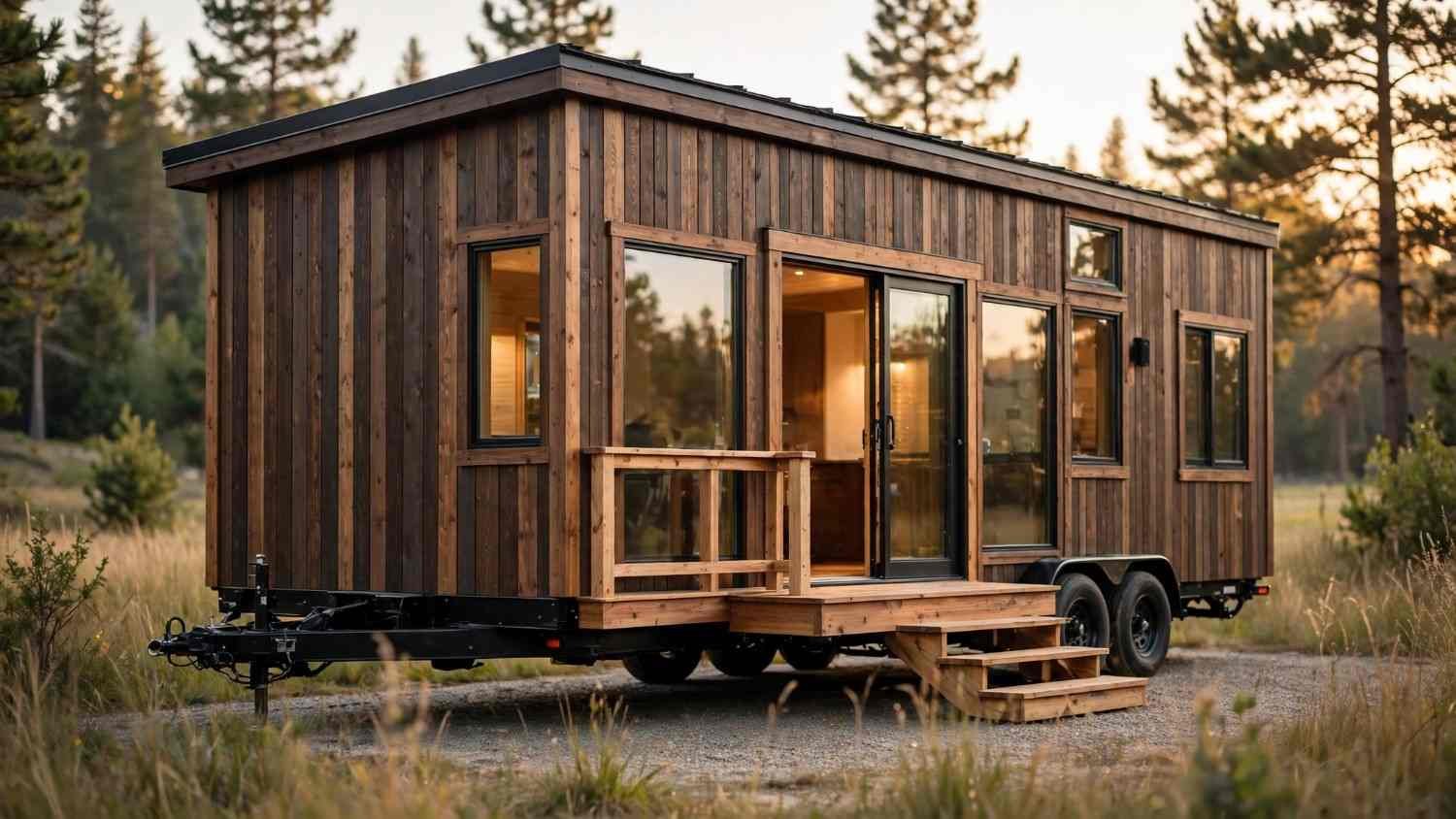
Materials and Construction Quality Cost Factors
Material choices affect both upfront cost and long-term durability. Cutting corners here creates expensive problems down the road.
Framing and Structural Materials
Kiln-dried lumber costs more than green lumber but resists warping and mold significantly better. Steel-reinforced framing adds cost but extends structural life in humid or coastal climates.
I never recommend green lumber for a mobile structure. Movement during towing stresses joints, and warped studs create gaps fast.
Exterior Siding and Roofing Choices
Metal roofing costs more upfront than asphalt shingles but handles the vibration of towing far better. Fiber cement siding resists rot and costs roughly 20-30% more than vinyl.
Standing seam metal roofs run $8 to $12 per square foot installed. That’s a real cost jump but it pays off over a decade of use.
Trailer Chassis Costs and Considerations
The trailer chassis is the structural foundation a tiny house sits on, engineered to carry the building’s full weight during transport. Chassis costs range from $5,000 to $15,000 depending on length, axle count, and gooseneck versus bumper-pull design.
Deck-over trailers sit lower and improve interior ceiling height. Gooseneck designs cost more but free up floor space for a loft or extra storage below.
Axle rating matters more than most buyers realize. Undersized axles fail under load and create serious road safety risk.
Interior Finishes and Fixture Costs
Interior finish level swings total cost more than almost any other category. This is where personal taste meets real dollar signs.
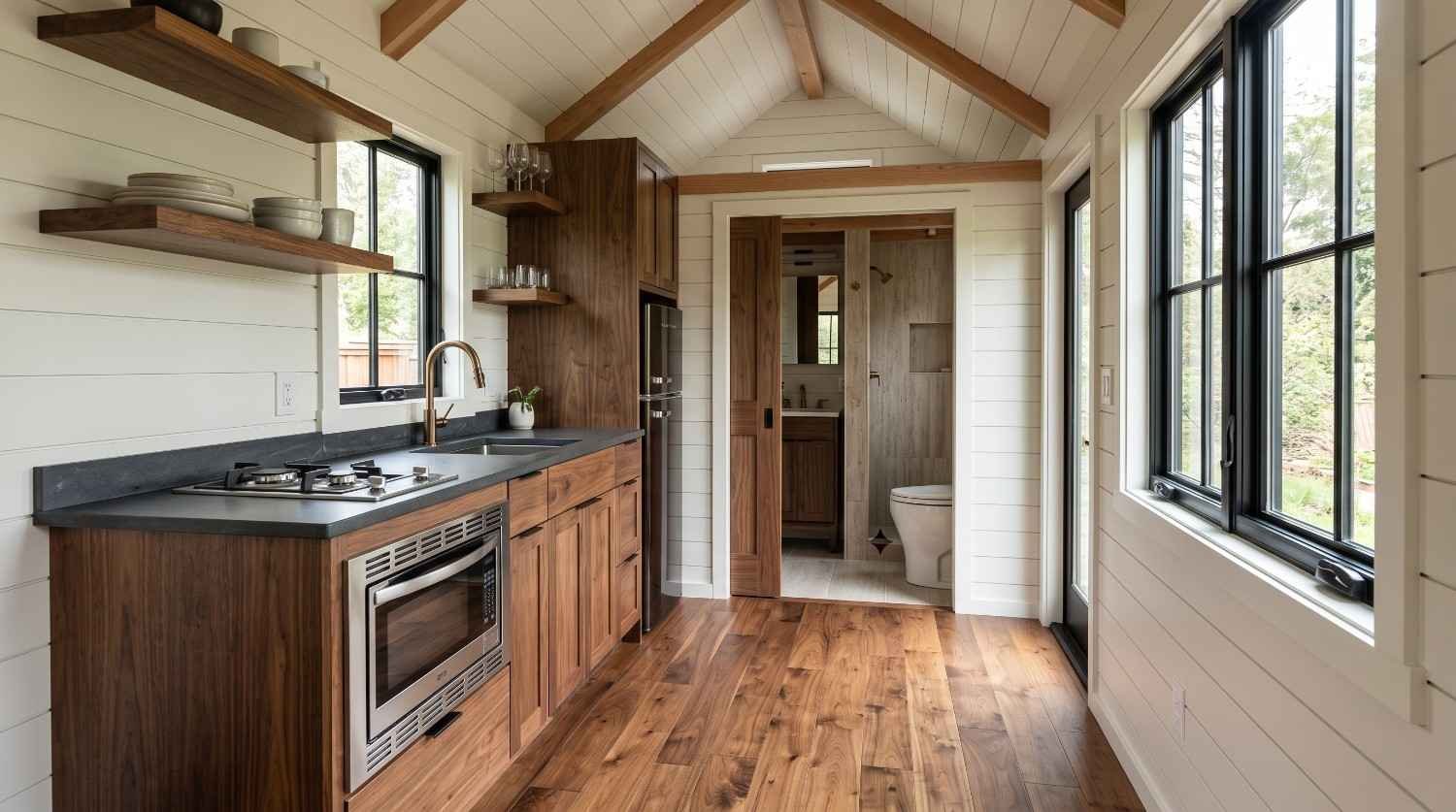
Kitchen and Bathroom Build-Out
A basic kitchen with stock cabinets and a two-burner cooktop runs $8,000 to $15,000. Full kitchens with residential-size appliances and custom cabinetry climb past $25,000.
Bathrooms with a wet bath layout cost less than separate shower and toilet compartments. Composting toilets add complexity but remove plumbing costs tied to gray water tanks.
Flooring, Cabinetry, and Insulation
Engineered hardwood costs more than laminate but holds up better to the flexing that happens during towing. Cabinetry alone can represent 10-15% of total interior finish cost.
Spray foam insulation costs roughly double batt insulation. It seals gaps completely though, which matters enormously in a structure this size.
Utility Systems and Off-Grid Equipment Costs
Utility systems determine whether your tiny house functions off-grid, on-grid, or somewhere in between. Costs vary widely based on how self-sufficient you want the build.
Electrical and Solar Setup
A basic on-grid electrical setup costs $3,000 to $6,000. Full off-grid solar with battery storage and an inverter system pushes that to $15,000 to $25,000.
According to the U.S. Department of Energy, residential solar system costs have declined significantly over the past decade due to improved panel efficiency and manufacturing scale. That trend has made off-grid tiny house setups more accessible than they were five years ago.
Plumbing and Water Systems
Fresh and gray water tank systems with a demand pump run $2,500 to $5,000. Composting toilet systems reduce plumbing complexity but add $1,000 to $2,000 to the toilet line item itself.
Tankless water heaters fit tiny house space constraints better than tank units. They cost more initially but save space that matters in a 200-square-foot footprint.
Permits, Delivery, and Site Preparation Costs
Permitting rules for tiny houses on wheels vary significantly by California county. Some jurisdictions classify them as RVs, others as accessory dwelling units, which changes the permit path entirely.
RVIA certification helps with insurance and some park placements, and typically costs $1,500 to $3,000 to obtain. Delivery fees depend on distance and range from $500 for local moves to $3,000+ for cross-state transport.
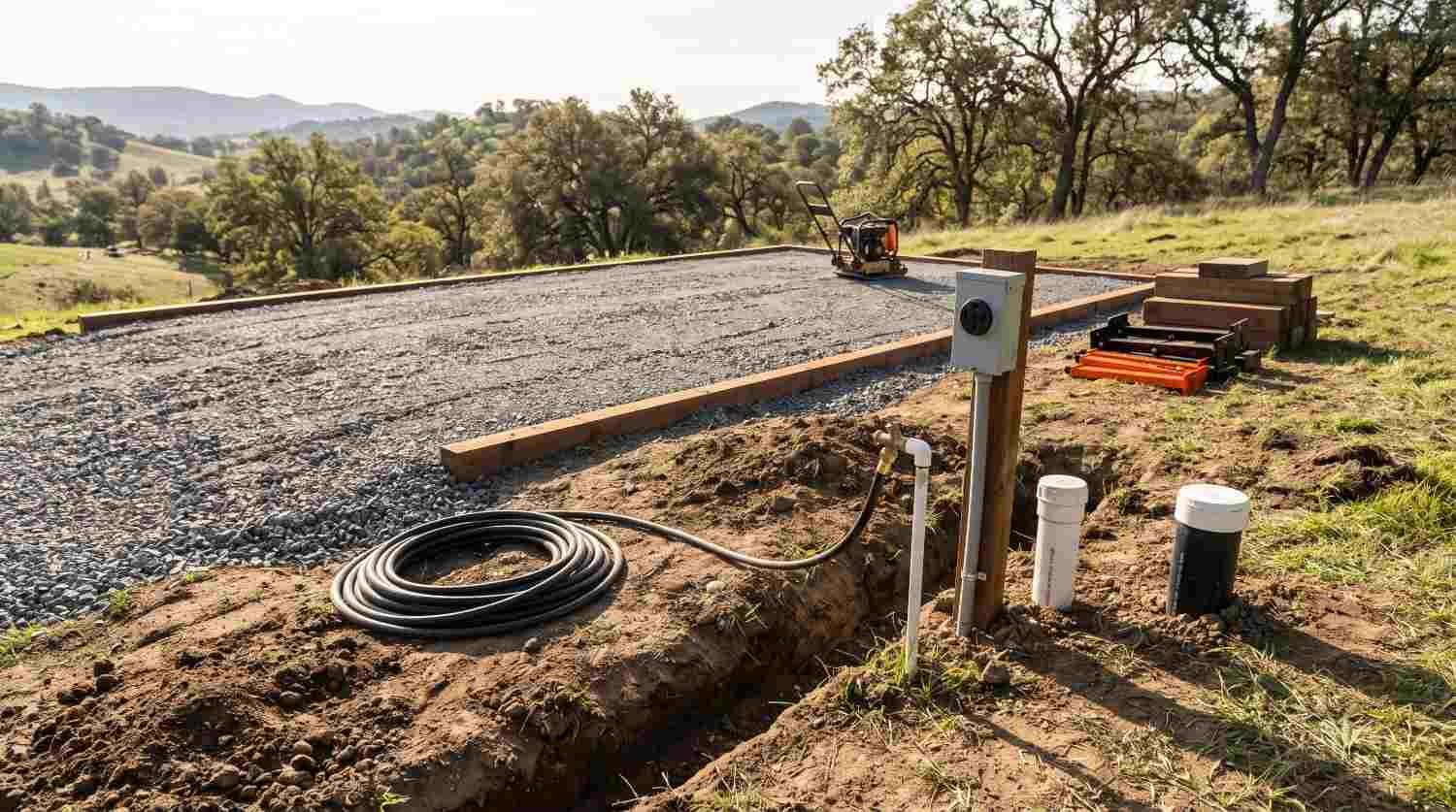
Site preparation, including a level pad and utility hookups, adds $2,000 to $10,000 depending on existing infrastructure. Raw land with no utility access costs considerably more to prepare.
DIY Build Costs vs. Hiring a Professional Builder
DIY builds cost less in materials but demand hundreds of hours of skilled labor most people don’t have. A DIY shell-only build runs $20,000 to $40,000 in materials alone, excluding your own time.
Professional builders charge for labor, project management, and warranty coverage. That markup typically adds 40-60% over raw material cost, but it buys structural accountability you don’t get building solo.
I’ve watched DIY builds stall for over a year when a mistake in framing or plumbing forces a costly redo. A professional build protects against that risk with experienced crews and tested processes.
Hidden and Long-Term Ownership Costs
Ongoing costs surprise a lot of first-time tiny house owners. Budgeting only for the build itself misses real expenses down the line.
Insurance for a tiny house on wheels runs $500 to $1,500 annually, depending on classification and coverage level. Maintenance costs, including sealant reapplication and axle servicing, add up to $500 to $1,000 per year on average.
Depreciation hits differently than a traditional home too. Trailers and mobile structures don’t appreciate the way land-based homes typically do.
How to Budget and Get Accurate Quotes in California
Getting an accurate quote starts with a detailed spec sheet, not a rough conversation. Vague requests get vague, and often low, estimates that balloon later.
I always recommend asking builders for an itemized breakdown covering materials, labor, chassis, utilities, and permitting separately. That transparency reveals where corners might get cut to hit a lower headline price.
California’s climate zones affect insulation requirements and utility choices too. A build spec’d for coastal fog performs differently than one built for inland heat, and that changes your final number.
Conclusion
Tiny house costs range from $45,000 to $150,000+, shaped by size, materials, chassis, and finish level. Every decision along the way compounds into the final number.
We’ve walked through every major cost driver, from framing to solar systems to permitting. Understanding these categories puts you in control of your budget instead of at the mercy of a vague quote.
Reach out to Tiny Home Builders California for a detailed, itemized quote built around your exact specs. We build with transparency so you know precisely where every dollar goes.
Frequently Asked Questions
How much does a basic tiny house on wheels cost?
A basic tiny house on wheels costs $45,000 to $65,000 for a budget-tier build. This includes standard materials, basic appliances, and simpler finish work.
What is the cheapest way to build a tiny house on wheels?
The cheapest approach combines a DIY build with a stock floor plan and standard materials. This can bring total costs down to $20,000 to $40,000 in materials, excluding labor.
Do tiny houses on wheels hold their value?
Tiny houses on wheels typically depreciate like other mobile structures rather than appreciating like land-based homes. Quality construction and regular maintenance slow that depreciation significantly.
How much does a trailer chassis cost for a tiny house?
A trailer chassis costs $5,000 to $15,000 depending on length, axle rating, and gooseneck versus bumper-pull design. Heavier builds require higher axle ratings, which raises the price.
Is it cheaper to build or buy a tiny house on wheels?
Building yourself is cheaper upfront but demands significant time and skilled labor you may not have. Hiring a professional builder adds 40-60% in labor markup but includes warranty protection and project accountability.
How much do utilities cost for an off-grid tiny house?
Off-grid solar and battery systems cost $15,000 to $25,000, while plumbing and water systems add another $2,500 to $5,000. Total off-grid utility costs typically run $17,500 to $30,000.
What permits are needed for a tiny house on wheels in California?
Permit requirements vary by county and depend on whether the structure is classified as an RV or an accessory dwelling unit. RVIA certification typically costs $1,500 to $3,000 and helps with insurance and park placement.


