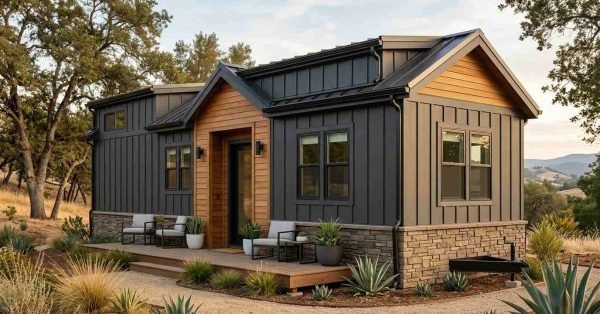
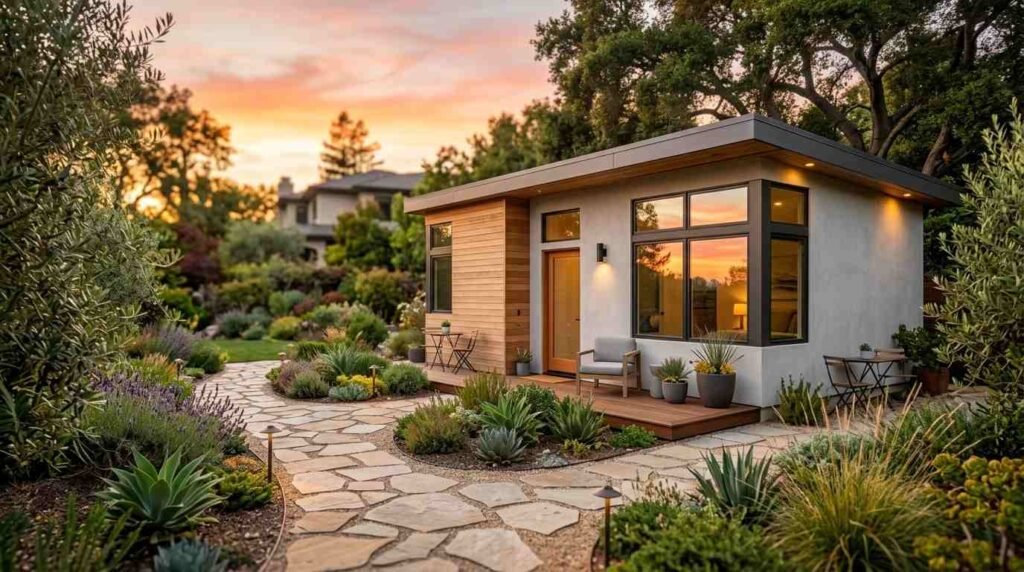
An ADU generates rental income the moment it’s permitted, finished, and leased to a tenant paying market rent for the unit. Across California, owners are turning backyard cottages and garage conversions into second paychecks, and the numbers behind that shift are worth understanding before you commit.
Building an ADU costs real money, and renting it out wrong costs you a lot more over time. I’ve watched owners lose thousands to bad tenant screening, mispriced rent, and zoning mistakes that were entirely avoidable.
This guide covers what an ADU rental actually is and how income works, the California laws and zoning rules that govern it, realistic earnings and ROI math, how to set up the unit for long-term success, tenant screening and lease terms, ongoing management duties, tax treatment, and the mistakes that quietly erode profitability.
What Is an ADU and How Does It Generate Rental Income
An accessory dwelling unit is a secondary housing structure on a residential lot that includes its own kitchen, bathroom, and sleeping area, built either attached to the main home, detached in the yard, or converted from existing space like a garage. Rental income comes from leasing that unit to a tenant who pays monthly rent, just like any standalone apartment.
I think of an ADU as a second income stream sitting on land you already own. You’re not buying new dirt or paying a separate mortgage; you’re adding a rentable unit to a lot that’s already producing one income.
The economics work because your marginal cost per square foot on an ADU is usually lower than building a whole new property from scratch.
Types of ADUs That Qualify for Rental Use
Detached ADUs sit as standalone structures in the backyard, fully separated from the main house. Attached ADUs share a wall with the primary residence but have their own entrance and utilities.
Garage conversions turn an existing structure into livable space without adding square footage to the lot. Junior ADUs, capped at 500 square feet under state law, convert a portion of the existing home and typically share at least one wall with the primary living space.
Each type qualifies for rental use under California law as long as it meets local building and occupancy codes.
How ADU Rental Income Differs From Traditional Rentals
Traditional single-family rentals put your entire property income at risk if a tenant stops paying. An ADU rental sits on the same lot as your primary residence, so you keep living in your home while collecting rent from a separate structure.
That proximity cuts your travel time for repairs and inspections to zero. It also means tenant issues land closer to home, which is a tradeoff worth weighing honestly before you lease the unit out.
California ADU Rental Laws and Zoning Rules Property Owners Must Know
California state law under AB 68, AB 881, and SB 13 requires most cities to permit ADUs on single-family and multifamily lots, override many local restrictions, and cap application processing at 60 days. These laws exist specifically to expand rental housing supply, which works in your favor as an owner.

I tell every owner the same thing: state law sets the floor, but your city sets the ceiling. You need both pieces before you lease anything out.
Statewide ADU Legislation Affecting Rentals
State law prohibits cities from requiring owner-occupancy on the primary residence for most ADUs permitted through 2025, which directly protects your ability to rent both units if you choose. It also removes minimum lot size requirements in many jurisdictions and caps impact fees for smaller units.
The California Department of Housing and Community Development confirms that local agencies cannot deny an ADU permit that meets state objective standards, which limits how much a city can slow down your rental timeline.
Local Zoning Variations Across California Cities
Setback requirements, height limits, and parking rules still vary block by block despite state override laws. Some cities require a dedicated parking space for the ADU unless the lot sits within a half-mile of transit.
Fire zone restrictions in wildfire-prone areas add another layer of design and material requirements. I always pull the specific municipal code before finalizing a rental-ready floor plan, because assumptions here get expensive fast.
How Much Rental Income Can an ADU Generate
ADU rental income in California generally ranges from $1,200 to $3,500 per month depending on region, unit size, and finish quality, with coastal and metro areas commanding the highest rents. A well-located, well-built unit in a strong rental market can cover a significant portion of your mortgage.
That range is wide because California itself is wide. A 500-square-foot unit in a small Central Valley town and the same unit in coastal Los Angeles are not the same investment.
Average ADU Rent by California Region
Bay Area and Los Angeles ADUs frequently rent between $2,200 and $3,500 monthly for a one-bedroom unit. Sacramento and San Diego typically land between $1,600 and $2,400.
Central Valley and inland markets often see $1,200 to $1,800 for comparable units. Zillow’s rental market data shows statewide rent growth has stayed positive year over year through 2025, which keeps ADU rental economics favorable for owners entering the market now.
Factors That Increase or Decrease Rental Value
Square footage, bedroom count, and private outdoor access all push rent upward. A separate entrance and dedicated parking spot add real dollar value tenants are willing to pay for.
Proximity to job centers, transit, and schools matters just as much as the unit itself. Poor sound insulation between the ADU and main house, on the other hand, quietly suppresses what you can charge.
Calculating ADU Return on Investment
ADU return on investment is calculated by dividing annual rental income minus expenses by total construction cost, then comparing that percentage against alternative investments like stocks or traditional rental property. Most well-built ADUs in strong rental markets return between 8% and 15% annually before accounting for appreciation.
I run this math with every client before a shovel goes in the ground. Skipping it is how people end up with a beautiful unit that never pays for itself.
Break-Even Timeline for an ADU Investment
A typical detached ADU costing $180,000 to $250,000 to build, renting for $2,000 monthly, breaks even on construction cost in roughly 8 to 11 years before financing costs. Add a mortgage or construction loan, and that timeline stretches depending on your interest rate.
Faster break-even numbers come from garage conversions, which cost less upfront and start generating income sooner. Detached new-construction units cost more but often command higher rent and appreciate independently.
Cash Flow vs Long-Term Equity Gains
Monthly cash flow is the rent check minus your operating costs, property tax increase, and any loan payment. Equity gain is the increase in overall property value the ADU adds, which several appraisal studies put at 20% to 30% of construction cost added to resale value.
I encourage owners to track both numbers separately. A unit with modest monthly cash flow can still be an excellent investment once you factor in the equity it builds.
Setting Up Your ADU for Long-Term Rental Success
A rental-ready ADU needs durable, low-maintenance finishes, efficient space planning, and amenities that match what tenants in your specific market expect and are willing to pay for. Cutting corners here shows up later as vacancy and turnover costs.
I build every rental ADU with the next tenant in mind, not just the first one. Materials that survive multiple move-outs save you money for a decade.
Interior Design Choices That Attract Tenants
Open floor plans make small square footage feel larger and more livable. Durable flooring like luxury vinyl plank handles tenant wear far better than carpet or hardwood.
In-unit laundry consistently ranks as one of the highest-value amenities tenants search for in a rental. Good natural light and a functional kitchen layout close the deal on showings more often than upgraded finishes do.
Furnishing and Amenity Decisions
Furnished ADUs command higher rent and attract shorter-term tenants willing to pay a premium for convenience. Unfurnished units draw longer-term tenants who bring their own belongings and tend to stay put.
Central air, in-unit laundry, and dedicated parking are the three amenities that most reliably justify a rent increase in my experience. I recommend picking your target tenant type before deciding which amenities to prioritize.
Screening and Selecting Reliable Tenants
Tenant screening for an ADU should verify income, rental history, credit, and background at minimum, with income typically required to be at least three times the monthly rent. Skipping this step is the single most common cause of rental income loss I see.

Because your ADU sits on the same lot as your home, a bad tenant relationship here feels different than it would on a rental across town. Screening carefully protects both your income and your daily peace of mind.
Tenant Screening Criteria That Reduce Risk
Income verification through pay stubs or bank statements confirms the applicant can actually afford the rent. Credit checks reveal payment patterns that predict future reliability.
Previous landlord references catch problems a credit score alone won’t show. Background checks round out the picture and are standard practice across the rental industry.
Fair Housing Compliance in Tenant Selection
California and federal fair housing laws prohibit denying an applicant based on race, religion, familial status, disability, or several other protected categories. Screening criteria must apply consistently to every applicant, documented the same way each time.
The California Department of Fair Employment and Housing outlines specific protections for ADU tenants that mirror standard rental housing law. I keep screening criteria in writing before advertising the unit, so there’s no ambiguity in how decisions get made.
Setting Rent Prices and Lease Terms for ADUs
Rent pricing should be based on comparable ADU and small-unit listings within a one-to-two mile radius, adjusted for your unit’s size, finishes, and included amenities. Overpricing leads to costly vacancy; underpricing leaves money on the table every single month.
Lease terms need to spell out shared-lot specifics that a standard apartment lease never addresses. This is where a lot of first-time ADU landlords get sloppy.
Short-Term vs Long-Term Lease Strategy
Long-term leases of 12 months provide stable, predictable income and lower turnover costs. Short-term or furnished rentals can command 20% to 40% higher nightly-equivalent rates but come with more management overhead and local regulation risk.
Some California cities restrict short-term rentals of ADUs specifically, so this decision has to start with a zoning check, not a revenue spreadsheet. I generally point first-time ADU owners toward long-term leasing until they understand their local rules completely.
Writing an ADU-Specific Lease Agreement
An ADU lease needs clear language on shared driveway use, noise expectations given the proximity to your home, utility metering arrangements, and maintenance responsibilities for shared systems. Standard rental lease templates often miss these details entirely.
I always add a clause addressing what happens if the primary residence changes ownership. That single sentence prevents a lot of confusion down the road.
Ongoing Property Management Responsibilities for ADU Owners
Managing an ADU rental involves rent collection, maintenance response, lease renewal, and tenant communication, either handled personally or delegated to a property manager for a monthly fee. The choice depends on your available time, proximity comfort, and portfolio size.
I’ve managed units both ways, and the right answer really does depend on how much hands-on involvement you want with a tenant living steps from your back door.
Self-Managing vs Hiring a Property Manager
Self-management saves the typical 8% to 10% property management fee but demands your direct time for repairs, showings, and tenant issues. Hiring a manager costs money but creates distance between you and day-to-day tenant friction.
Owners with one ADU on their own lot often self-manage successfully. Owners with multiple rental properties tend to benefit more from professional management across the whole portfolio.
Maintenance Schedules That Protect Rental Value
HVAC filters, gutter cleaning, and smoke detector checks belong on a quarterly maintenance calendar. Water heater flushing and exterior caulking inspections fit well on an annual schedule.
Deferred maintenance on a rental unit compounds fast, turning a $200 fix into a $2,000 repair within a year or two. I build maintenance costs into the rental budget from day one rather than treating them as a surprise expense.
Tax Implications and Deductions for ADU Rental Owners
ADU rental income must be reported to the IRS as rental income on Schedule E, and it comes with a corresponding set of deductible expenses that reduce your actual tax liability. Depreciation on the ADU structure itself is one of the largest deductions most owners overlook.
I tell every owner to loop in a tax professional before the first tenant moves in, not after the first tax season closes. The paperwork gets far more complicated retroactively.
Reporting Rental Income Correctly
Rent payments, security deposits kept for damages, and any utility reimbursements from the tenant all count as reportable rental income. The Internal Revenue Service confirms that advance rent is taxable in the year received, regardless of which rental period it covers.
Keeping separate bank records for ADU rental transactions makes this reporting dramatically simpler come tax season.
Deductible Expenses That Reduce Tax Liability
Mortgage interest attributable to the ADU, property tax allocation, insurance, repairs, and depreciation all qualify as deductions against rental income. Utilities you pay on the tenant’s behalf are deductible too.
Professional property management fees and even mileage driven for rental-related errands can reduce your taxable rental income further. A tax professional familiar with ADU-specific splits between personal and rental space use saves real money here.
Common Mistakes That Reduce ADU Rental Profitability
The most expensive ADU rental mistakes are pricing rent without real market comparables, skipping tenant screening to fill vacancy faster, and underestimating ongoing maintenance costs. Each mistake compounds the others over a full year of ownership.
I’ve corrected all three of these mistakes for owners after the fact, and it’s always more expensive than getting it right from the start.
Underpricing and Overpricing Pitfalls
Underpricing rent to fill the unit quickly costs you money every single month for the life of the tenancy. Overpricing based on emotional attachment to the build leads to extended vacancy that costs far more than a modest price adjustment would have.
Comparable listings within walking distance of your property are the most reliable pricing benchmark available.
Neglecting Insurance and Liability Coverage
A standard homeowners policy typically does not cover a rented ADU without a specific rider or landlord policy addition. Liability coverage matters even more here, given the tenant’s proximity to your family’s daily life.
I recommend confirming ADU rental coverage with your insurer before the lease starts, never after a claim forces the conversation.
Conclusion
An ADU turns unused space into a genuine income stream, but the income only holds up with the right laws, pricing, tenants, and maintenance behind it. California’s zoning shifts have made this easier than ever, though local rules still shape every decision.
Get the fundamentals right, from screening to tax reporting, and the returns compound for years.
We build ADUs designed for rental performance from the ground up. Talk to Tiny Home Builders California about a unit built to earn from day one.
Frequently Asked Questions
How much rent can I charge for an ADU in California?
ADU rent in California typically runs $1,200 to $3,500 monthly depending on region and unit quality. Coastal and metro markets command the highest end of that range.
Do I need a special permit to rent out my ADU?
Most California cities require only a standard building permit and certificate of occupancy, not a separate rental permit. Some cities do require ADU-specific rental registration, so check local rules first.
Can I rent my ADU on Airbnb in California?
Short-term rental of ADUs is restricted or banned in many California cities regardless of state ADU law. Always verify your specific municipal short-term rental ordinance before listing.
Is ADU rental income taxable?
Yes, ADU rental income is fully taxable and must be reported on Schedule E of your federal tax return. Deductible expenses including depreciation offset a meaningful portion of that liability.
How long does it take to break even on an ADU investment?
Most ADUs break even in 8 to 11 years based on construction cost and typical market rent. Garage conversions with lower build costs often break even faster.
Do I have to live on the property to rent out my ADU?
No, California state law removed owner-occupancy requirements for most ADUs permitted through 2025. Some local exceptions may still apply, so confirm with your city.
What’s the best way to screen ADU tenants?
Verify income at three times monthly rent, run a credit and background check, and contact previous landlords directly. Apply the same criteria consistently to every applicant to stay fair housing compliant.
Does homeowners insurance cover a rented ADU?
Standard homeowners policies generally exclude rental activity without an added landlord policy or rider. Contact your insurer before leasing to confirm proper coverage is in place.