Custom home resale value is the price a purpose-built residence commands on the open market, shaped by land quality, construction integrity, design decisions, and local demand. I have watched two homes on the same street sell eighteen months apart with a $200,000 gap between them. The difference was rarely the kitchen.
Understanding this now matters because you commit most of your budget before the first inspection. Decisions made during design and framing lock in value you cannot renovate back later.
This guide covers value fundamentals, land, construction quality, design, materials, energy performance, sizing, ADUs, builder selection, documentation, California market forces, upgrades, mistakes, and long-term value protection.
What Determines Custom Home Resale Value in California
Resale value comes from a stack of factors, and most buyers only see the top layer. Underneath sit land quality, structural soundness, permit history, and how well the home matches what its neighborhood actually rewards.
I break the stack into four tiers. Land and location set the floor. Construction quality and building performance set the durability of that value. Design and layout determine how wide the buyer pool gets. Documentation and warranty coverage decide how smoothly the sale closes.
Resale Value vs. Appraised Value vs. Market Value
These three numbers rarely match, and confusing them costs sellers money. Appraised value is a lender’s opinion built from comparable sales. Market value is what a willing buyer pays today. Resale value is what you realistically recover at exit after selling costs.
An appraiser leans on comps, so a genuinely superior custom home often appraises below its replacement cost in a neighborhood of ordinary houses. That gap is the single most common surprise I see among first-time custom home clients.
How Appreciation Actually Compounds Over Time
Appreciation compounds on total property value, not just the structure. A home that gains 4% annually doubles in roughly eighteen years, and the land portion usually drives most of that movement.
The Federal Housing Finance Agency’s House Price Index tracks these long-run patterns by state and metro area. California’s record shows sharp cycles layered over a strong upward trend, which rewards owners who hold through downturns rather than selling into them.
Why Custom Homes Behave Differently Than Tract Homes
Tract homes have abundant comps, so their pricing is predictable, and their ceilings are firm. Custom homes have thin comps, which cuts both ways.
A well-built custom home in a strong location often outperforms because scarcity creates competition. And a heavily personalized one underperforms because the buyer pool shrinks to people who share your specific taste.

Location, Land, and Lot Quality: The Value Floor
Location is the one variable I cannot fix with better craftsmanship. It sets the floor and the ceiling on everything that follows, which is why I push clients to evaluate the lot harder than the floor plan.
Land also appreciates differently than structures. Buildings depreciate physically while land responds to scarcity and demand, so lot quality carries disproportionate long-term weight.
School Districts, Access, and Neighborhood Comps
Attendance boundaries move prices in measurable ways, and buyers with children treat them as a hard filter. Commute access, walkability, and proximity to employment centers work the same way.
I always pull three years of comps within a half-mile radius before design begins. That data tells us the realistic price ceiling for the street, and we design toward it rather than past it.
Lot Orientation, Slope, Usability, and Views
Orientation affects daylight, heat gain, and utility bills for the life of the home. Slope affects foundation cost, drainage, and how much of the parcel is genuinely usable outdoor space.
Views command real premiums and protected views command more. A slope that eats $120,000 in site work before framing starts is a hidden tax on your eventual return.
Zoning, Easements, and Buildable Envelope
Zoning determines what you build now and what a future owner adds later. That future flexibility is part of what a sophisticated buyer pays for.
Easements, setbacks, and height limits shape the buildable envelope. I verify all of it against county records before we commit to a design direction.
Construction Quality as a Long-Term Value Driver
Construction quality is the difference between a home that ages gracefully and one that becomes an inspection report full of red flags. Buyers may not read framing plans, but their inspectors do, and inspection findings move final prices.
Quality shows up in resale through three channels. Fewer defects at inspection, lower maintenance history, and a stronger warranty and documentation package all translate into leverage during negotiation.
Structural Systems, Framing, and Foundation Integrity
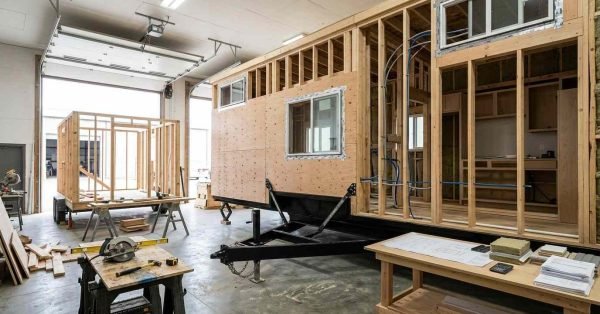
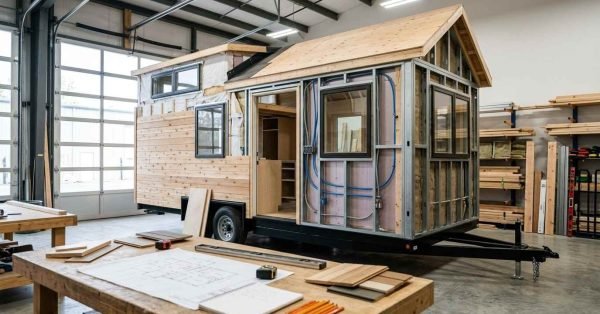
Foundations and framing carry the entire value of everything attached to them. Cracked slabs, undersized headers, and sloppy shear nailing surface years later as settlement, deflection, and drywall failure.
California adds seismic demands on top of ordinary structural requirements. Proper hold-downs, shear panels, and anchor bolting are code obligations, and the California Building Standards Commission publishes the standards that govern them.
I treat structural work as the one area where nobody negotiates the spec down. Everything visible can be upgraded later, and the skeleton cannot.
Envelope Performance: Roofing, Windows, Waterproofing
The building envelope keeps water out and conditioned air in. Water intrusion causes more expensive resale problems than any other single defect category I encounter.
Flashing details at roof penetrations, window heads, and deck-to-wall transitions matter more than the brand on the shingle. Proper waterproofing costs a fraction of the remediation it prevents.
Workmanship Standards and Punch-List Discipline
Workmanship is what buyers feel without being able to name it. Doors that close evenly, tile lines that hold true, trim that meets cleanly at every corner.
I run formal punch lists at rough-in and again at final. That discipline produces a home that presents well at resale a decade later, not just at handover.

Design Decisions That Hold Value (and Ones That Don’t)
Design is where owners create or destroy the most resale value, and it happens on paper before a single dollar hits construction. The goal is a home that fits you now and reads as broadly desirable later.
I frame every design choice against one question. Does this expand the future buyer pool or narrow it?
Layout, Flow, and Functional Square Footage
Functional square footage beats raw square footage every time. Buyers reward usable space and penalize awkward circulation, dead corners, and hallways that eat area without adding utility.
Single-level primary suites, flexible rooms, and genuine indoor-outdoor connection stay in demand across market cycles. Those choices cost little extra during design and pay repeatedly.
Timeless vs. Trend-Driven Finishes
Trend-driven finishes date fast and read as deferred maintenance to the next buyer. Neutral cabinetry, restrained tile, and simple hardware age far better than whatever dominates the current feed.
I steer bold choices toward items that swap cheaply. Paint, light fixtures, and hardware carry personality without locking in a renovation bill for the buyer.
Over-Personalization and the Resale Discount
Over-personalization is the most reliable way to shrink a buyer pool. Home theaters without windows, single-purpose hobby rooms, and heavily themed interiors all narrow the audience.
That narrowing produces a discount at resale, sometimes a steep one. Build the space you want and design it so a future owner converts it back without demolition.
Materials, Finishes, and Their Depreciation Curves
Every material has a service life and a depreciation curve, and mixing those curves badly creates uneven aging. A thirty-year roof over ten-year windows produces a maintenance cliff a buyer will price in.
I match material lifespans to how long clients plan to own, then document everything for the eventual sale.
Durable Materials That Age Well
Fiber cement siding, standing seam metal roofing, quality clay tile, and solid-core interior doors all age well under California conditions. They cost more upfront and demand less over time.
Cheap substitutes read as cheap within five years. Buyers notice chalking, warping, and delamination even when they lack the vocabulary for it.
Maintenance Load and Buyer Perception
Maintenance load is a quiet value factor. A home that needs constant attention signals risk, and risk reduces offers.
I favor assemblies that stay serviceable with routine care. That choice protects both your weekends and your eventual sale price.
Energy Efficiency, Solar, and Performance Premiums
Energy performance moved from a nice extra to a pricing factor in California. Buyers evaluate utility costs alongside mortgage payments, and efficient homes carry a measurable advantage.
Performance also protects against future code changes and rising utility rates. A home built beyond current code stays competitive longer.
Title 24 Compliance and Beyond-Code Building
Title 24 sets California’s energy efficiency requirements, and the California Energy Commission updates those standards on a three-year cycle. Meeting code is the baseline, not the achievement.
Building beyond code through better insulation, tighter air sealing, and improved glazing costs modestly during construction. It reads as future-proofing to an informed buyer.
HERS Ratings, Solar, and Electrification
A HERS rating gives buyers a verified number instead of a marketing claim. Documented performance beats vague efficiency language during negotiation.
Solar carries real value when owned outright, and leased systems complicate transfers at closing. Heat pump systems, induction-ready panels, and EV charging capacity all widen the buyer pool as electrification accelerates.
Square Footage, Bedroom Count, and Market Fit
Size drives price, but only within the range a neighborhood supports. Building well past that range converts construction dollars into unrecoverable spend.
Bedroom and bathroom counts function as search filters. A three-bedroom home in a four-bedroom market loses buyers before anyone tours it.
Cost per Square Foot vs. Value per Square Foot
Cost per square foot measures what you spend. Value per square foot measures what the market returns, and the two diverge quickly at the high end.
I model both before finalizing size. That comparison usually redirects budget from raw area toward quality and layout, which return more.
Building Above the Neighborhood Ceiling
Every street has a price ceiling set by its comps. Appraisers work from those comps, so a home priced far above the ceiling struggles at financing.
The fix is matching ambition to location. A house that would sell easily in one market sits unsold in another simply because no comps support the number.
ADUs, Tiny Homes, and Multi-Unit Value Add
Accessory dwelling units changed the value math on California residential property. State law now limits how much cities restrict them, and that shift created a durable new value lever.
An ADU adds rentable area, multigenerational flexibility, and a second income stream. Those attributes appeal to a much broader buyer pool than a comparable primary-home addition.
How ADUs Affect Appraisal and Buyer Pool
Appraisers treat ADUs through income potential and comparable sales, and both methods increasingly support meaningful value. The California Department of Housing and Community Development publishes the current statewide ADU rules that govern what qualifies.
Permitted ADUs count toward value while unpermitted conversions create liability. I build every accessory unit through full permitting for exactly this reason.
Rental Income, Flexibility, and Resale Positioning
Rental income turns a house into a partially self-funding asset, and buyers price that in. A documented rental history strengthens the case further.
Flexibility matters just as much. Aging parents, adult children, and remote work all create demand for separate quarters, which keeps ADU-equipped properties competitive across cycles.

Builder Selection and Its Measurable Effect on Value
Builder selection influences resale value more than almost any finish decision. The same plans built by two different companies produce different inspection reports, different maintenance histories, and different sale prices.
I evaluate builders on verifiable evidence rather than portfolio photography. Licensing, insurance, documentation habits, and completed-project references tell the real story.
Licensing, Insurance, and Warranty Coverage
License status is public information, and the California Contractors State License Board lets anyone verify a license, bond, and complaint history in minutes. I check it before signing anything.
Insurance coverage protects you during construction. Warranty terms protect you afterward, and written warranty language matters far more than a verbal assurance.
Documentation, Permits, and Inspection Records
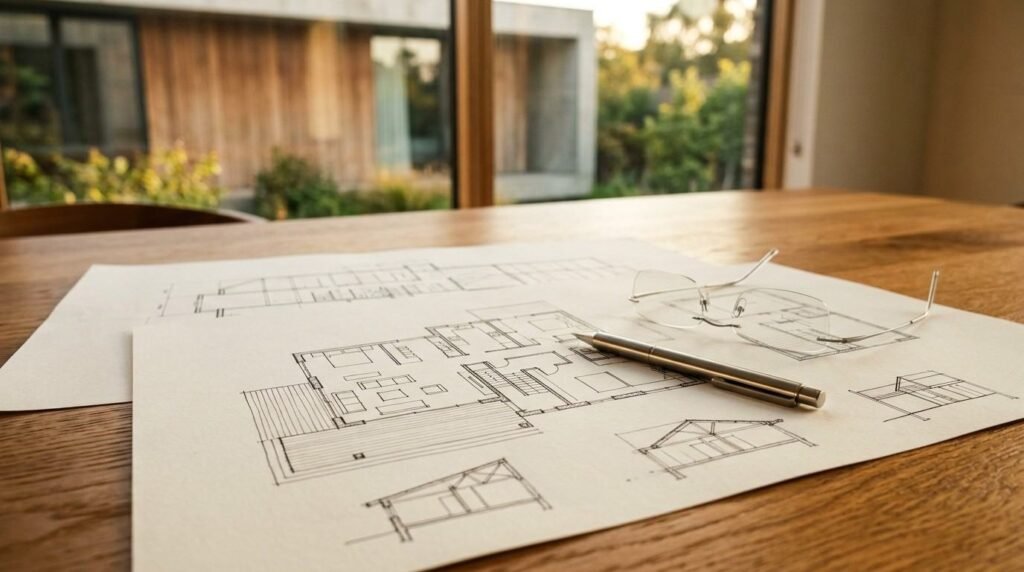
Documentation is the resale asset nobody anticipates needing. Permit sets, inspection sign-offs, structural calculations, and subcontractor warranties all reassure future buyers.
I hand clients a complete project archive at closeout. That package answers inspector questions years later without guesswork.
Questions That Reveal Real Quality
A few questions separate serious builders from the rest. Ask how they handle change orders, who supervises the site daily, and how they document rough-in inspections.
Ask for addresses of homes finished five years ago rather than five months ago. Time exposes shortcuts that fresh paint hides.
Documentation, Warranties, and the Resale Paper Trail
The paper trail behind a custom home carries real transactional value. Buyers pay more for a home whose history is fully documented because documentation removes uncertainty.
I keep permits, plans, HERS certificates, warranty registrations, and maintenance records in one organized archive. That file speeds inspections and shortens escrow.
Missing paperwork creates the opposite effect. Unpermitted work discovered during a sale triggers renegotiation, retroactive permitting, or a failed deal.
California Market Forces That Shape Appreciation
Individual decisions operate inside statewide market forces you do not control. Understanding those forces helps you time decisions and set realistic expectations.
Housing supply, permitting friction, insurance availability, and climate risk pricing all shape California appreciation patterns in ways that differ from national averages.
Supply Constraints, Permitting, and Insurance Costs
California produces far fewer housing units than its population needs, and that shortage supports long-run prices. The California Department of Finance tracks the population and housing estimates behind that imbalance.
Insurance availability became a genuine pricing factor in high-risk areas. A home that is difficult to insure is difficult to finance, which narrows the buyer pool immediately.
Wildfire, Seismic, and Climate Risk Pricing
Wildfire risk now affects both insurance and buyer behavior across large portions of the state. Ignition-resistant construction, defensible space, and Chapter 7A compliant assemblies reduce that exposure.
Seismic resilience works similarly. Homes built with robust lateral systems hold value better after regional events because buyers gained new awareness of the difference.
Renovations and Upgrades With the Best Resale Return
Not every upgrade returns its cost, and the gap between the best and worst performers is wide. I direct clients toward projects that solve problems buyers actually notice.
Roof replacement, window upgrades, HVAC modernization, and kitchen refreshes consistently perform well. Exterior improvements that lift curb appeal return strongly for modest spend.
Pools, elaborate landscaping, and highly specific room conversions usually return the least. They cost heavily and appeal narrowly.
Common Mistakes That Erode Custom Home Value
The costliest mistakes happen early and quietly. Skipping soils reports, under-designing structural systems, and cutting the waterproofing budget all create expensive problems years later.
Over-improving relative to the neighborhood ranks second. Building a home worth double the street ceiling guarantees you subsidize the next owner.
Unpermitted additions cause the most transactional damage. They surface during escrow at the worst possible moment.
Deferred maintenance completes the list, because buyers extrapolate. One neglected system implies neglect everywhere.

How to Track and Protect Your Home’s Value Over Time
Value protection is an ongoing practice, not a construction phase. I recommend annual exterior inspections covering roof, flashing, drainage, and sealants.
Keep a running maintenance log with dates, vendors, and receipts. That record substantiates your care history when buyers ask.
Monitor neighborhood comps quarterly and reassess insurance coverage annually. Both give you early warning when market conditions or replacement costs shift.
Building for Value With Tiny Home Builders California
We build homes designed to hold value through decades, not just through the first inspection. That means correct structural work, documented performance, and design choices that keep the buyer pool wide.
We handle planning, design coordination, construction management, and final finishes as one accountable process. Clients receive a complete project archive at closeout, ready for whenever they eventually sell.
Our focus stays on measurable quality rather than marketing claims. That approach produces homes that appraise well, inspect cleanly, and appreciate reliably.
Conclusion
Custom home resale value grows from land quality, construction integrity, disciplined design, documented performance, and honest alignment with local market demand.
Each dimension here connects to deeper resources on builder evaluation, ADU planning, energy performance, and California market conditions worth exploring further.
We help homeowners build for lasting value. Reach out to Tiny Home Builders California and start a project designed to appreciate.
Frequently Asked Questions
Do custom homes appreciate faster than tract homes?
Custom homes appreciate faster when built well in strong locations. Thin comparable sales create upside from scarcity, though heavy personalization reverses that advantage at resale.
How much value does an ADU add to a California property?
A permitted ADU adds value through rental income potential and buyer flexibility. Appraisers assess it using income analysis and comparable sales in the local market.
Does construction quality show up in an appraisal?
Appraisers note quality grade and condition, but comparable sales cap the number. Quality shows up more powerfully through clean inspections and negotiation leverage.
Which custom home upgrades hurt resale value?
Pools, themed interiors, single-purpose hobby rooms, and elaborate landscaping return the least. They cost heavily upfront and appeal to a narrow buyer pool.
How long should I own a custom home before selling?
Longer holds absorb transaction costs and market cycles better. Owners who hold beyond seven years typically capture meaningful appreciation rather than paying selling friction.
Do energy-efficient features increase resale value?
Verified efficiency raises value because buyers price utility costs into affordability. HERS ratings and owned solar systems document that advantage during negotiation.
How does builder reputation affect resale value?
Reputable builders produce cleaner inspections, better documentation, and enforceable warranties. Buyers pay premiums for that reduced risk and verifiable construction history.