
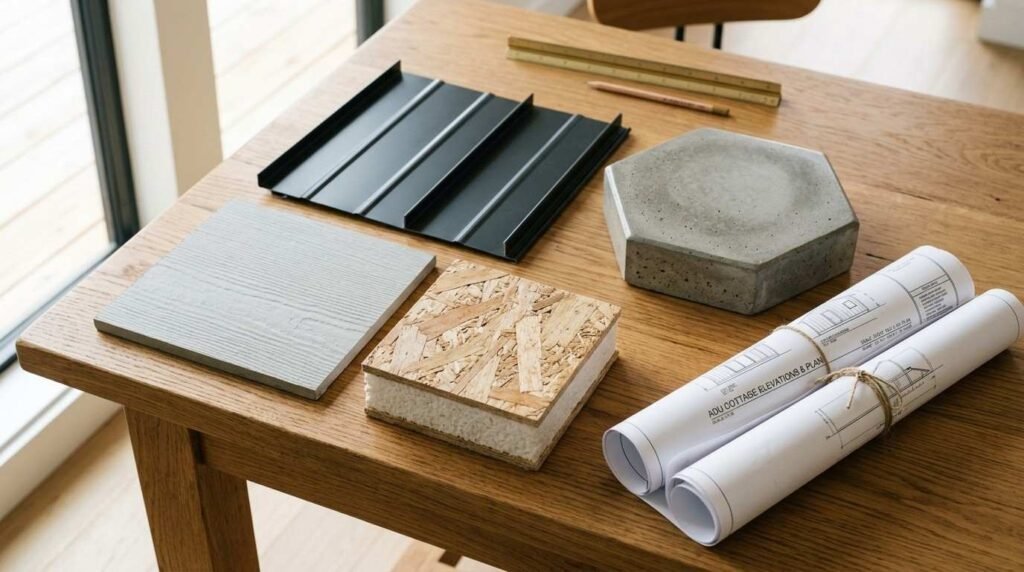
A stick-built ADU is framed on-site board by board; a prefab ADU arrives as factory-built panels or a kit, and a modular ADU ships as finished 3D modules set by crane. Each method changes your cost, timeline, and long-term durability in different ways.
I get this question constantly from California homeowners planning an ADU. The right answer depends on your lot access, your budget, and how much control you want over finishes.
This guide walks through how the three build methods are defined and how they compare on craftsmanship and materials, then breaks down cost, timeline, and project management before covering energy performance, permitting in California, and how to actually choose between them for your property.
What Is a Stick-Built ADU?
A stick-built ADU is a structure framed piece by piece on your property using traditional lumber framing techniques. Crews build the walls, roof, and floor systems directly on the foundation, the same way most single-family homes have been built for decades.
I like stick-built for one reason above all others: total design flexibility. Every wall, window placement, and roofline gets custom-fit to your lot and your vision.
The tradeoff is exposure to weather during construction and a build schedule tied to inspection cycles. Rain delays, subcontractor scheduling, and multiple inspection passes all stretch the timeline in ways factory methods avoid.
Stick-built also depends heavily on the skill of the crew on-site that day. Quality varies more here than with factory-controlled methods, which is exactly why builder vetting matters so much for this approach.
What Is a Prefab ADU?
A prefab ADU is built largely off-site as wall panels, trusses, or a full kit of parts, then assembled on your foundation. It sits between stick-built and modular, borrowing some factory precision while still requiring meaningful on-site assembly work.
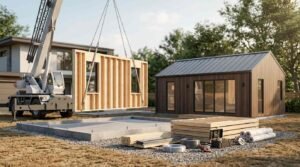
Panelized prefab systems get cut and framed in a factory under consistent conditions, then trucked to your lot. Crews then stand the panels, tie them together, and finish the build much like a stick-built project from that point forward.
I’ve seen prefab shave real time off a project because the framing work happens in parallel with site prep and foundation pouring. That overlap is the main efficiency win.
Finish quality still depends on the on-site crew for roofing, siding, utilities, and interior work. Prefab reduces framing variability but doesn’t eliminate the on-site craftsmanship variable entirely.
What Is a Modular ADU?
A modular ADU is manufactured as one or more complete three-dimensional boxes in a factory, finished with plumbing, electrical, and interior surfaces before shipping. Cranes set the modules onto a prepared foundation, and crews connect utilities and seal the seams between units.
Modular construction is a building method that produces most of a home’s interior finish work inside a factory before the structure ever reaches the site. That single fact drives almost every advantage and limitation of the approach.
Factory conditions mean consistent humidity, no rain delays, and repeatable quality control checks at each production stage. I find this consistency is the strongest argument for modular when a client wants predictable outcomes.
The limitation shows up in transport and crane access. Narrow lots, tight urban streets, or difficult site access can rule modular out entirely, or add significant crane and permitting costs.
Construction Quality and Craftsmanship Compared
Quality across all three methods comes down to tolerances, inspections, and the skill of whoever is doing the work, whether that’s a factory line or a site crew.
Modular construction holds the tightest tolerances because factory jigs and repeatable processes reduce human variation. Stick-built holds the widest range of outcomes because so much depends on individual crew skill on any given day.
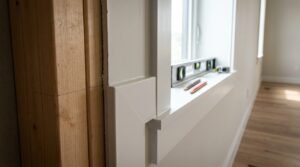
A quality build is one where measured tolerances, inspection records, and material specifications are documented and verifiable rather than simply promised. That principle applies whether you’re comparing framing methods or comparing builders within the same method.
Prefab sits in the middle. Factory-cut framing arrives more precise than site-cut lumber, but on-site finishing still introduces the same variability found in stick-built projects.
I always tell clients to ask for a builder’s actual inspection reports and past project photos rather than trusting a sales pitch. Craftsmanship shows up in the details: tight miter joints, consistent caulk lines, and level flooring.
Materials and Structural Durability by Method
Material specifications differ less between methods than people assume. Lumber grade, insulation type, and structural fasteners follow the same California building code regardless of where the framing happens.
Modular and prefab structures require additional engineering for transport stresses, since the module or panel gets lifted, trucked, and set without the support of a finished foundation connection. Builders address this with reinforced framing at transport points, which can mean slightly heavier structural members in those zones.
Structural durability across all three methods depends primarily on moisture management, foundation quality, and fastener corrosion resistance rather than the assembly location itself. A well-built stick-built ADU and a well-built modular ADU should have comparable 50-year service lives when both follow code minimums.
The National Institute of Standards and Technology found that material durability standards apply consistently across construction methods when moisture control protocols are followed correctly.
I still recommend asking any builder, regardless of method, what fastener grade and house wrap they use. Those two line items predict long-term durability better than almost anything else on a spec sheet.
Cost Comparison: Stick-Built vs Prefab vs Modular
Cost per square foot varies by method, but the gap is smaller than most marketing suggests once you include site work, permitting, and utility hookups.
Modular ADUs often carry a slightly higher base module cost, offset by shorter site labor time and fewer weather-related delays. Stick-built typically shows a lower quoted price upfront, with more variable final cost tied to change orders and site conditions discovered mid-build.
A realistic ADU budget accounts for foundation work, utility connections, permitting fees, and site access costs separately from the base construction quote, regardless of build method. Skipping this step is the single most common budgeting mistake I see.
Prefab often lands in between on total cost, since panelization reduces framing labor without eliminating the on-site finishing work that drives most cost variability.
Build Timeline and Project Management Differences
Timeline is where the three methods diverge most sharply. Modular construction happens in parallel: the factory builds modules while your foundation gets poured, cutting weeks or months off total project duration.
Stick-built runs sequentially. Foundation, then framing, then rough-ins, then finishes, each waiting on the last inspection to clear before the next phase starts.
Prefab captures some parallel scheduling benefit during the framing stage, then reverts to sequential site work for finishes, utilities, and final inspections.
Project management complexity follows a similar pattern. Modular requires coordinating a factory schedule, a crane crew, and a site crew, which demands tighter communication but ultimately compresses the calendar.
Energy Efficiency and Long-Term Performance
Energy performance depends far more on insulation values, window ratings, and air sealing than on which construction method built the walls.
Title 24 energy compliance is a California building code requirement that mandates minimum insulation, glazing, and HVAC efficiency standards for all new residential construction, including ADUs. Every method covered here must meet the same Title 24 baseline.
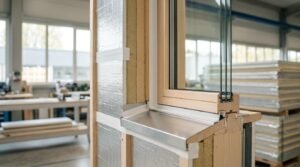
Factory-built methods, modular especially, tend to achieve tighter air sealing because panels and modules get sealed under controlled factory conditions before ever facing wind or rain. That tighter envelope often translates into modest energy savings over the life of the home.
The U.S. Department of Energy found that improved air sealing can reduce heating and cooling energy use by up to 20% in typical residential construction.
I’ve watched clients get fixated on solar and HVAC upgrades while ignoring air sealing, which is usually the cheaper and higher-impact investment regardless of build method.
Permitting, Building Codes, and California Requirements
California ADU permitting runs through your local building department, and requirements shift depending on county and city jurisdiction even though state law sets baseline allowances.
Modular ADUs get factory-inspected under California’s Factory-Built Housing program through the Department of Housing and Community Development, which can streamline the local plan-check process. Stick-built and prefab projects go through standard local plan review from start to finish.
HCD factory-built housing certification is a state-level inspection program that verifies modular structures meet California building code before they ever leave the factory. That certification doesn’t replace local permits for foundation, utility connections, and site work, but it does reduce the scope of local structural review.
I recommend calling your local planning department before choosing a method, since some jurisdictions still have limited experience processing modular ADU permits and that unfamiliarity can add time regardless of the code compliance itself.
How to Choose the Right ADU Construction Method for Your Property
Lot access decides more of this choice than most homeowners expect going in. A narrow side yard or a lot without crane clearance rules out modular before cost or quality even enter the conversation.
Budget flexibility matters next. Stick-built gives the most room to phase decisions and adjust finishes as the build progresses, while modular locks in most decisions before the module ever reaches your site.
Timeline pressure points toward modular or prefab when speed matters most, particularly for investors who need a rentable unit generating income as fast as possible.
We walk every client through these tradeoffs against their actual lot, budget, and goals before recommending a method, because the right answer changes property to property.
Conclusion
Stick-built, prefab, and modular ADUs each deliver quality results when built to code with skilled oversight. The real differences show up in timeline, lot access requirements, and how much design flexibility you need.
Your lot conditions and project goals should drive this decision more than any single method’s marketing claims. Durability and performance depend more on execution than on where the framing happened.
We help California homeowners match the right ADU construction method to their property and budget. Contact Tiny Home Builders California to talk through your lot and get a clear recommendation.
Frequently Asked Questions
Is a modular ADU cheaper than a stick-built ADU?
Modular and stick-built ADUs often land within a similar total cost range once site work and permitting are included. Modular sometimes costs more upfront per module but saves on labor time and weather delays.
How long does a modular ADU take to build?
Modular ADUs typically take three to five months from order to move-in, since factory production overlaps with site foundation work. Stick-built projects often run five to eight months due to sequential scheduling.
Do modular ADUs hold their value as well as stick-built ADUs?
Modular ADUs hold value comparably to stick-built ADUs when built to the same code standards and finish quality. Resale value depends more on finish quality and location than on construction method.
Can I customize a modular ADU design?
Modular ADU designs allow customization within the manufacturer’s module dimensions and configurations. Stick-built offers the widest customization range since nothing is constrained by factory transport limits.
What is the main downside of prefab ADU construction?
Prefab ADU construction still requires significant on-site finishing work, which limits the time savings compared to modular. Site crew skill still affects final quality just as it does with stick-built projects.
Does California treat modular ADUs differently for permitting?
California inspects modular ADUs through the HCD Factory-Built Housing program before they leave the factory. Local permits are still required for foundation, utility connections, and site work.
Which ADU method is best for a narrow or hard-to-access lot?
Stick-built or panelized prefab typically works best on narrow or hard-to-access lots since neither requires crane clearance. Modular needs enough site access for crane placement of the full module.
How do I know if a builder delivers quality construction regardless of method?
Ask for documented inspection reports, past project photos, and specific material specifications rather than relying on general claims. A builder willing to share verifiable details usually delivers more consistent quality.


